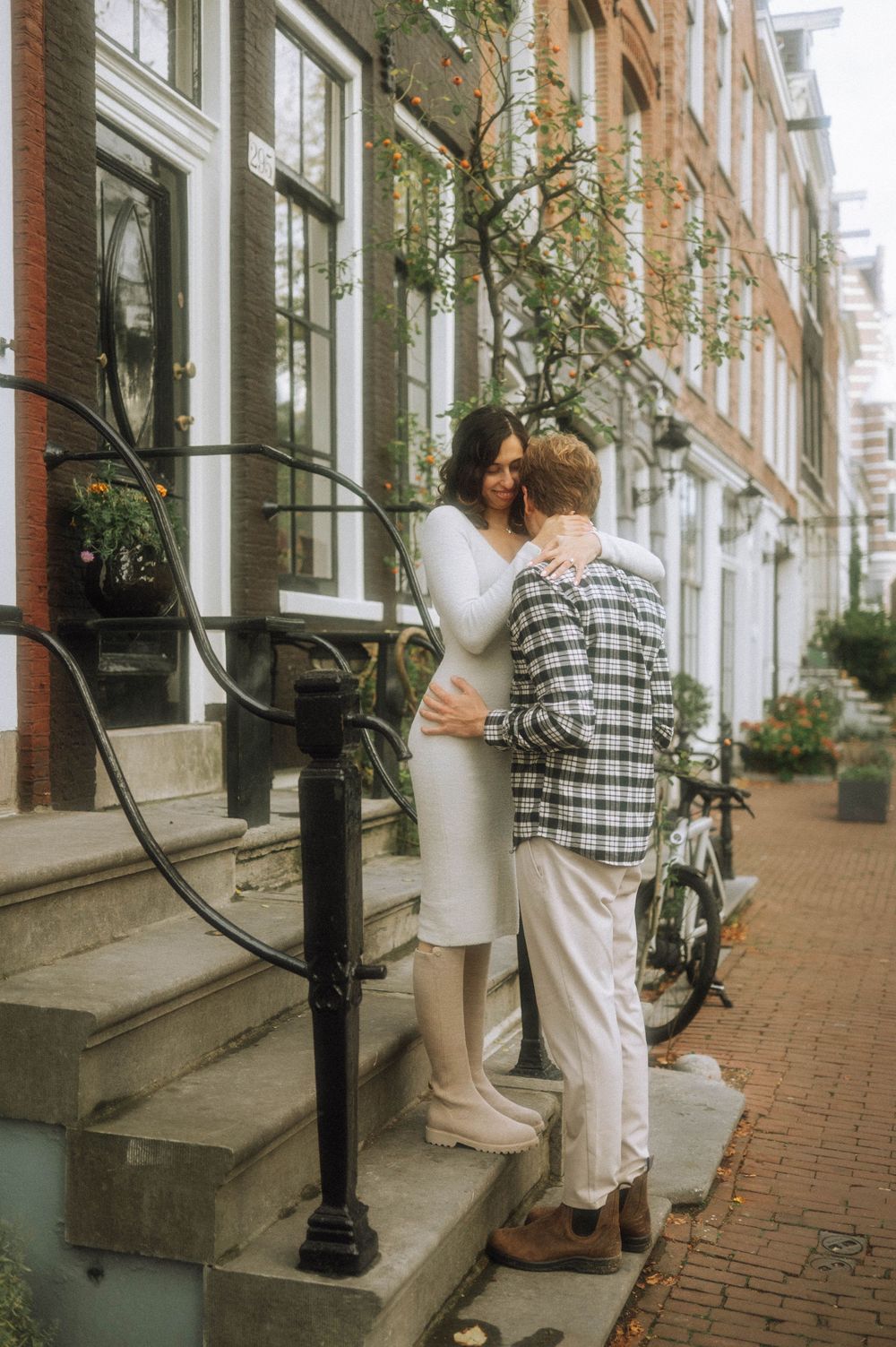
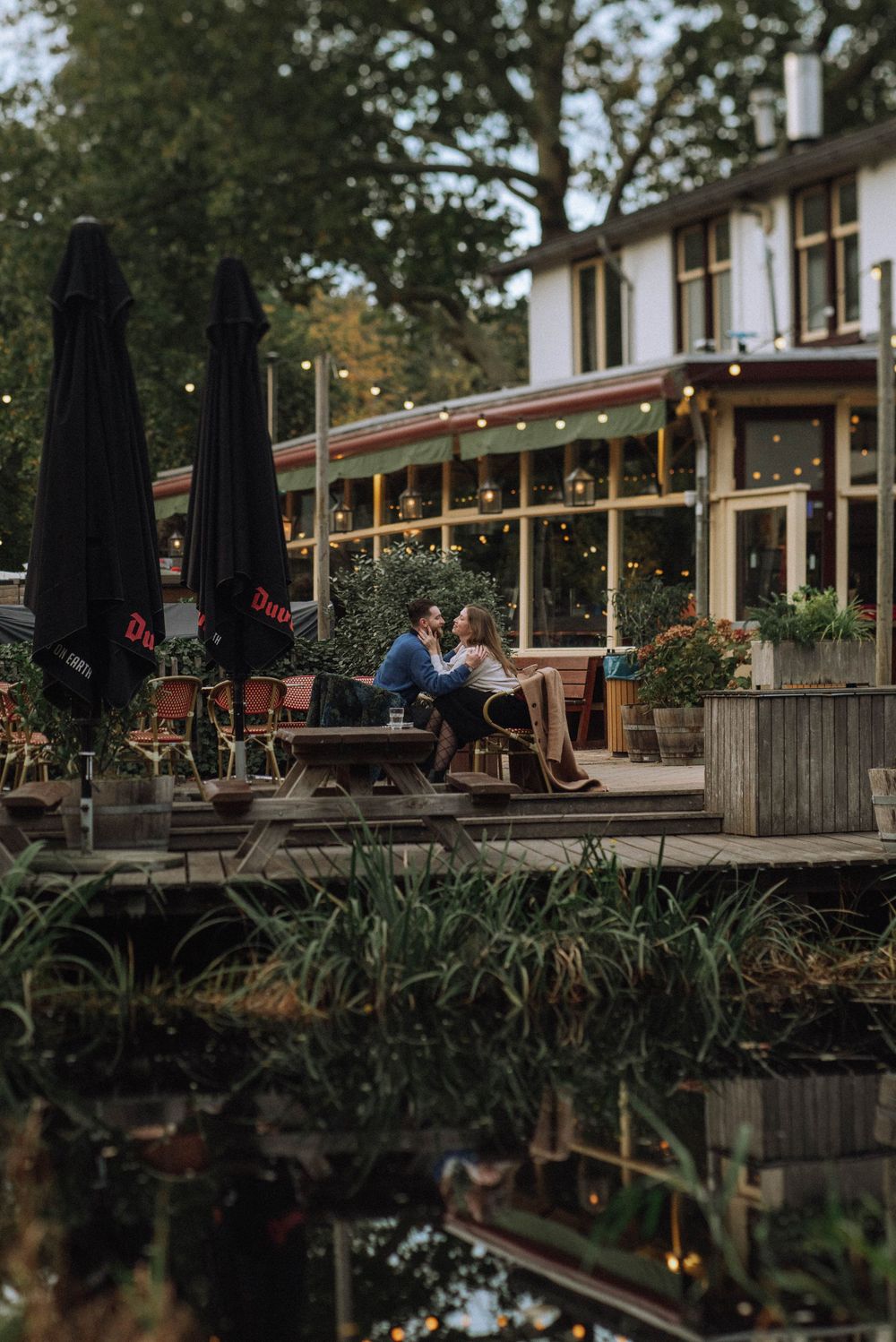
When you're planning a marriage proposal in Amsterdam, it's easy to get caught up in the details. Where should you stand? Which knee should you go down on? What if you forget what you wanted to say, or the ring box won't open?
After photographing more than 60 secret proposals, I can tell you that most of these things are much less complicated than they seem. The moment itself can be emotional, a little chaotic and completely different from what you imagined.
My main advice is simple: don't put too much pressure on yourself to get every detail right. I'll take care of the photographs and adapt to what happens. You just need to be there with the person you're asking to marry you.
1. Don't overthink where to stand
I sometimes get questions about exactly where the groom should stand during the proposal. My answer is usually: don't worry too much about it.
If you're already nervous, trying to remember which side to stand on, where to turn and how to position yourself can make you even more stressed. I can move around you, get closer or change my angle to photograph the moment.
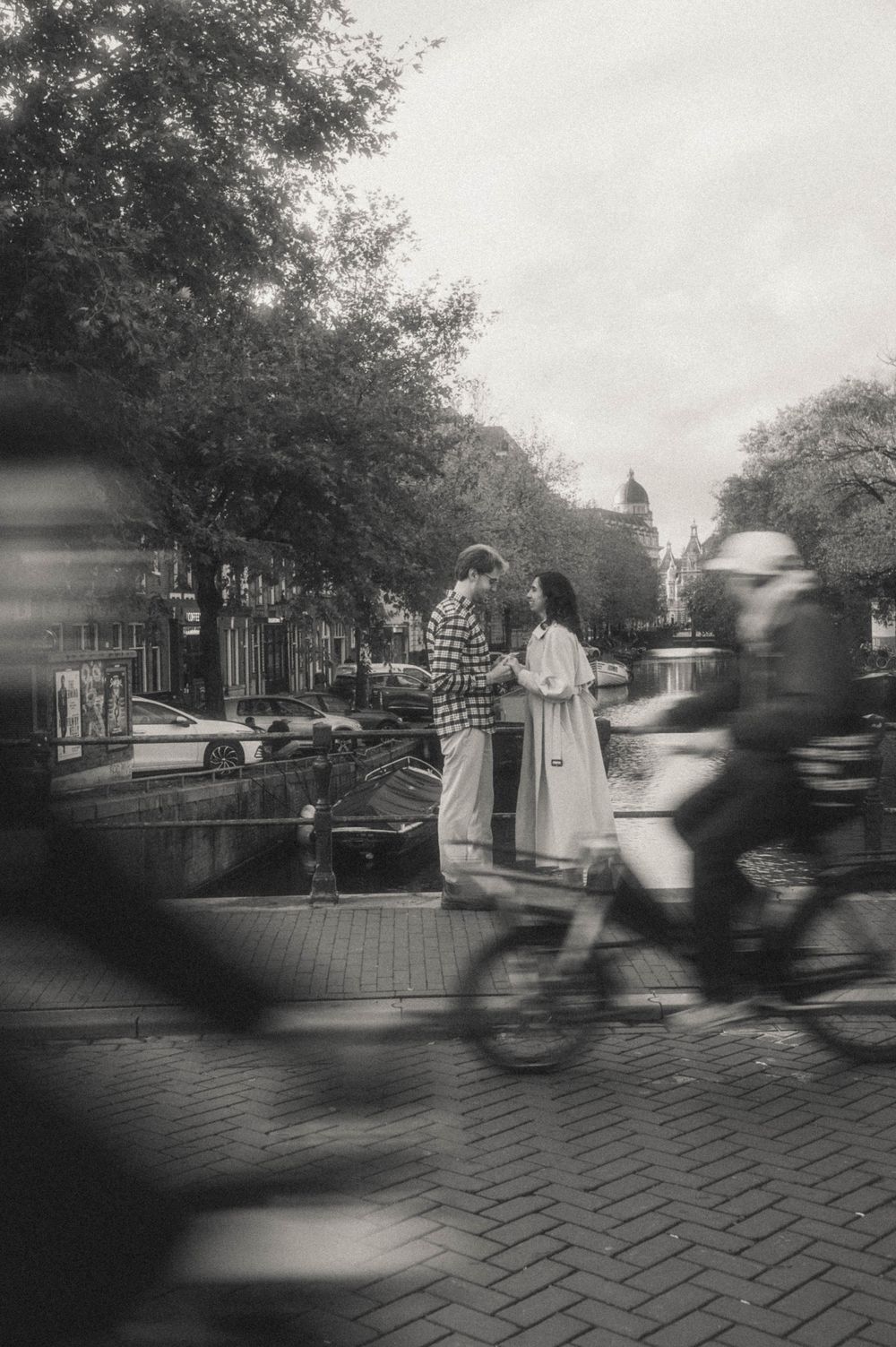
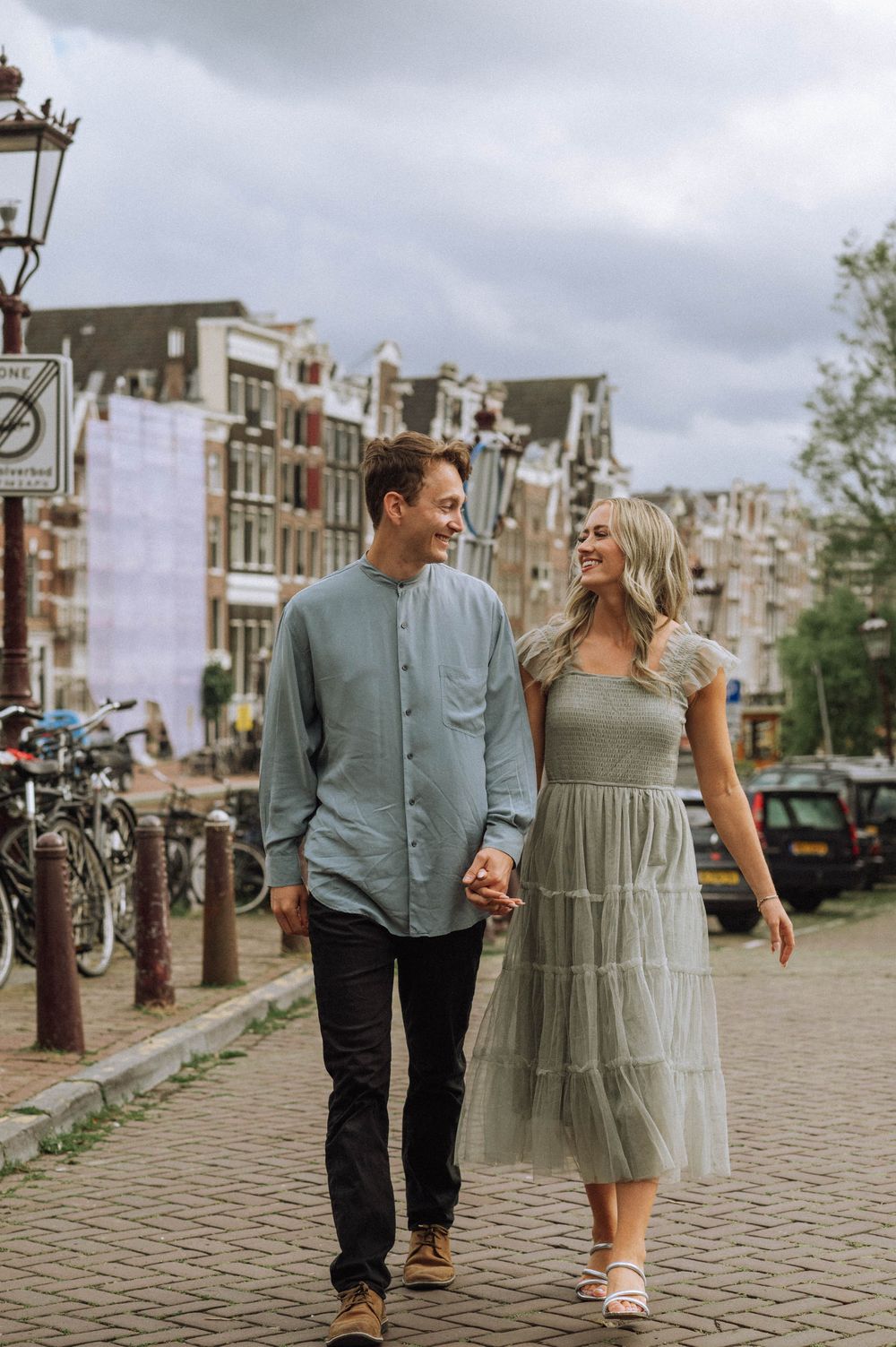
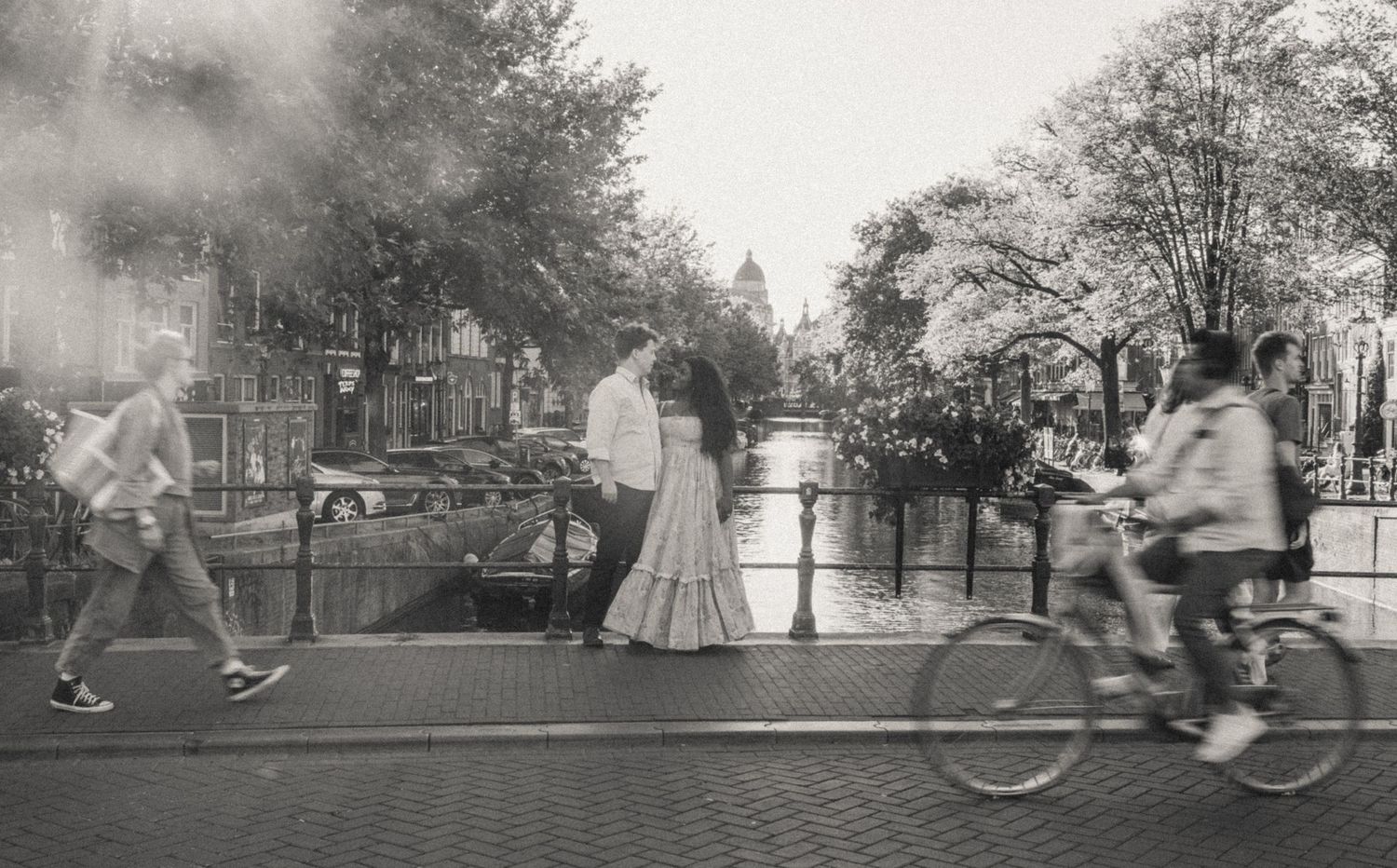
There are only a couple of practical things worth keeping in mind. Don't stand in the middle of a road or somewhere where passing cyclists might hit you. Amsterdam has plenty of bicycles, and a romantic moment shouldn't involve dodging one!
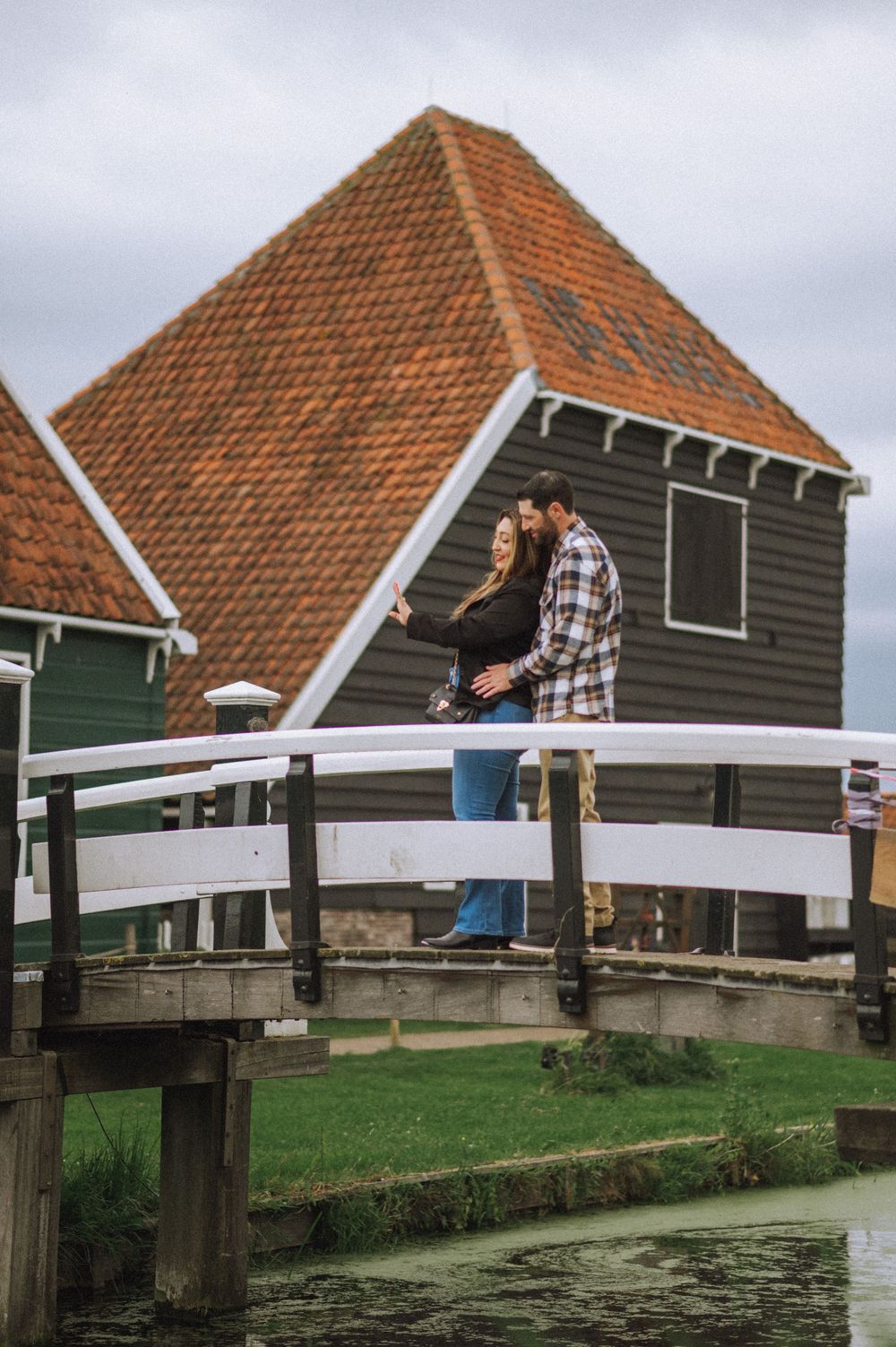
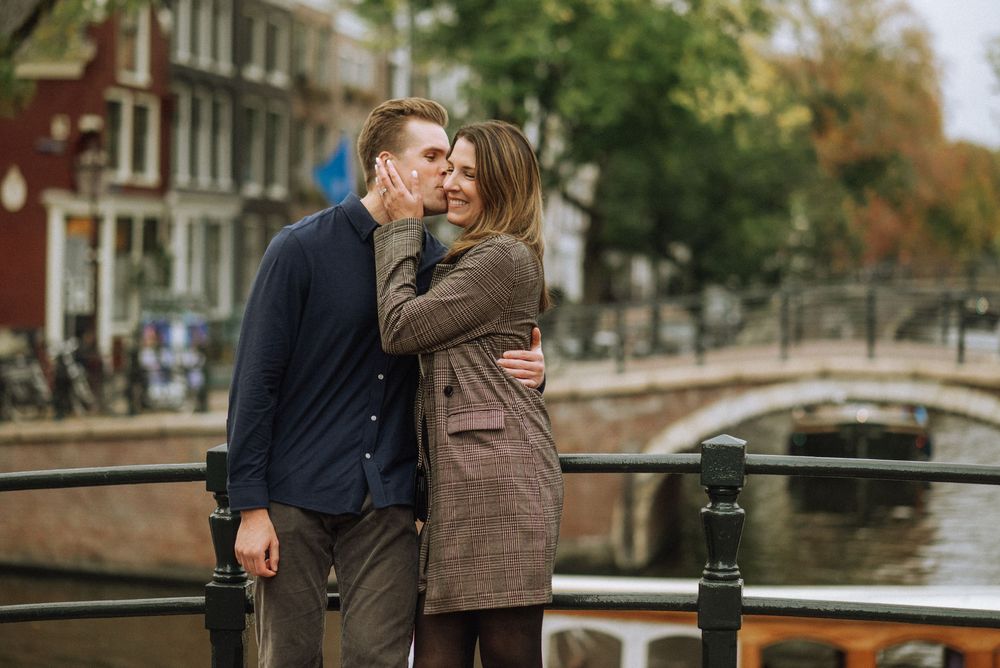
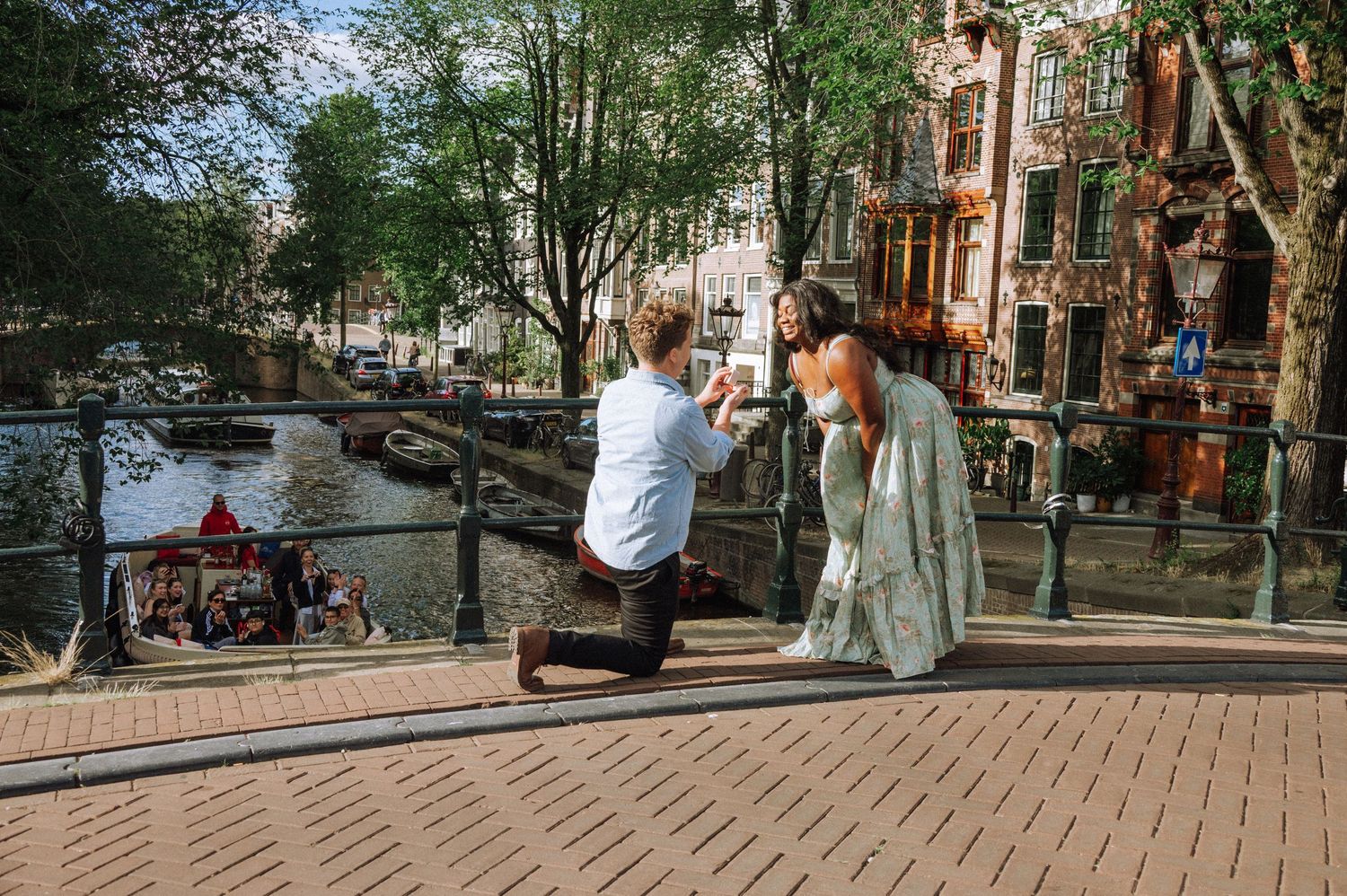
If we're on a bridge, I generally recommend standing somewhere closer to the middle, near the railings, rather than squeezed into a corner. But you don't need to find the perfect spot down to the centimetre.
If you're still choosing a location, you can find some ideas in my guide to the best bridges and places to propose in Amsterdam.
2. To kneel or not to kneel?
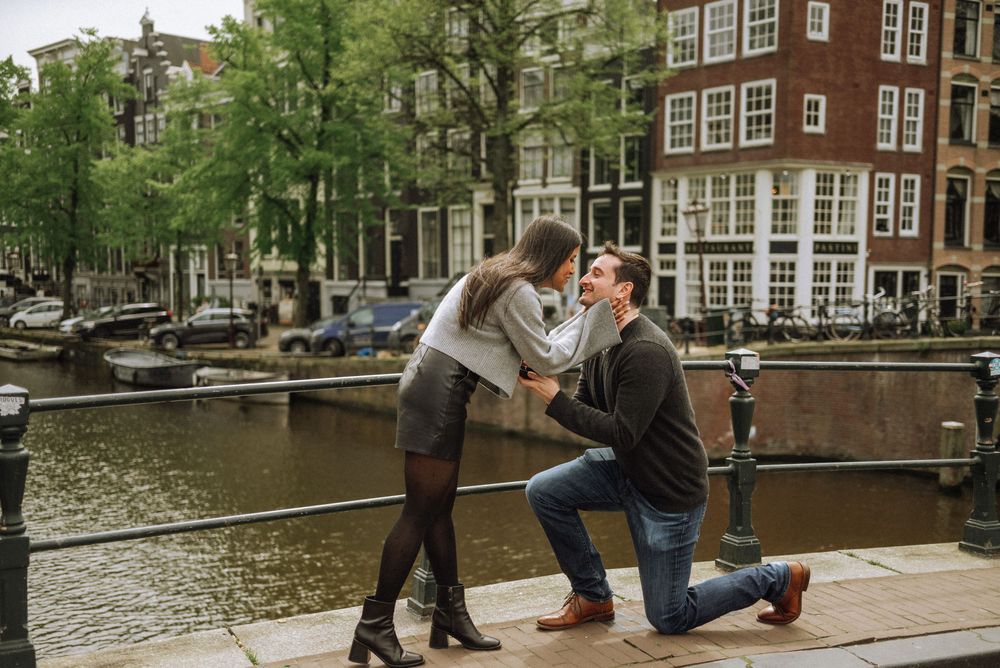
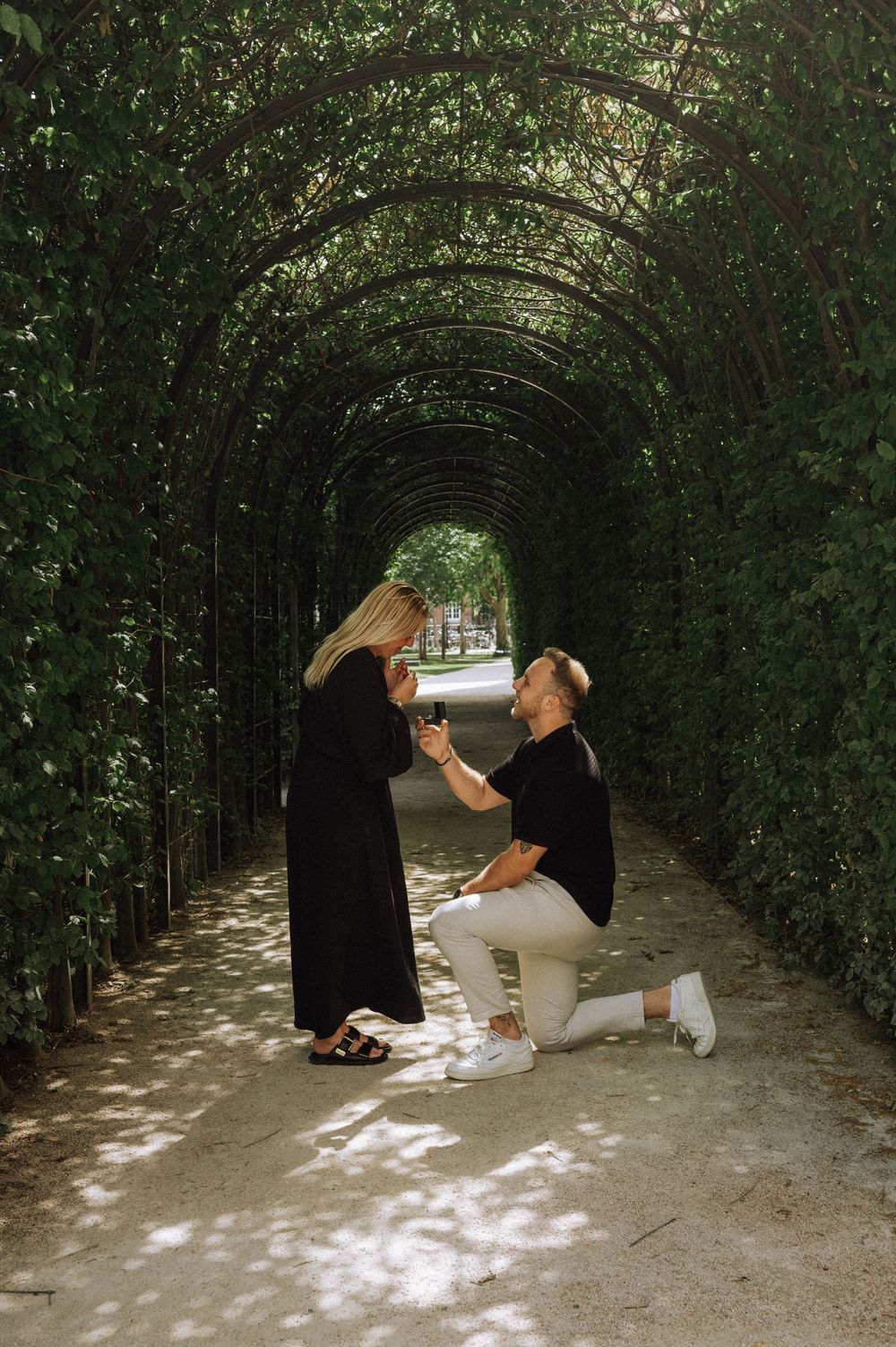
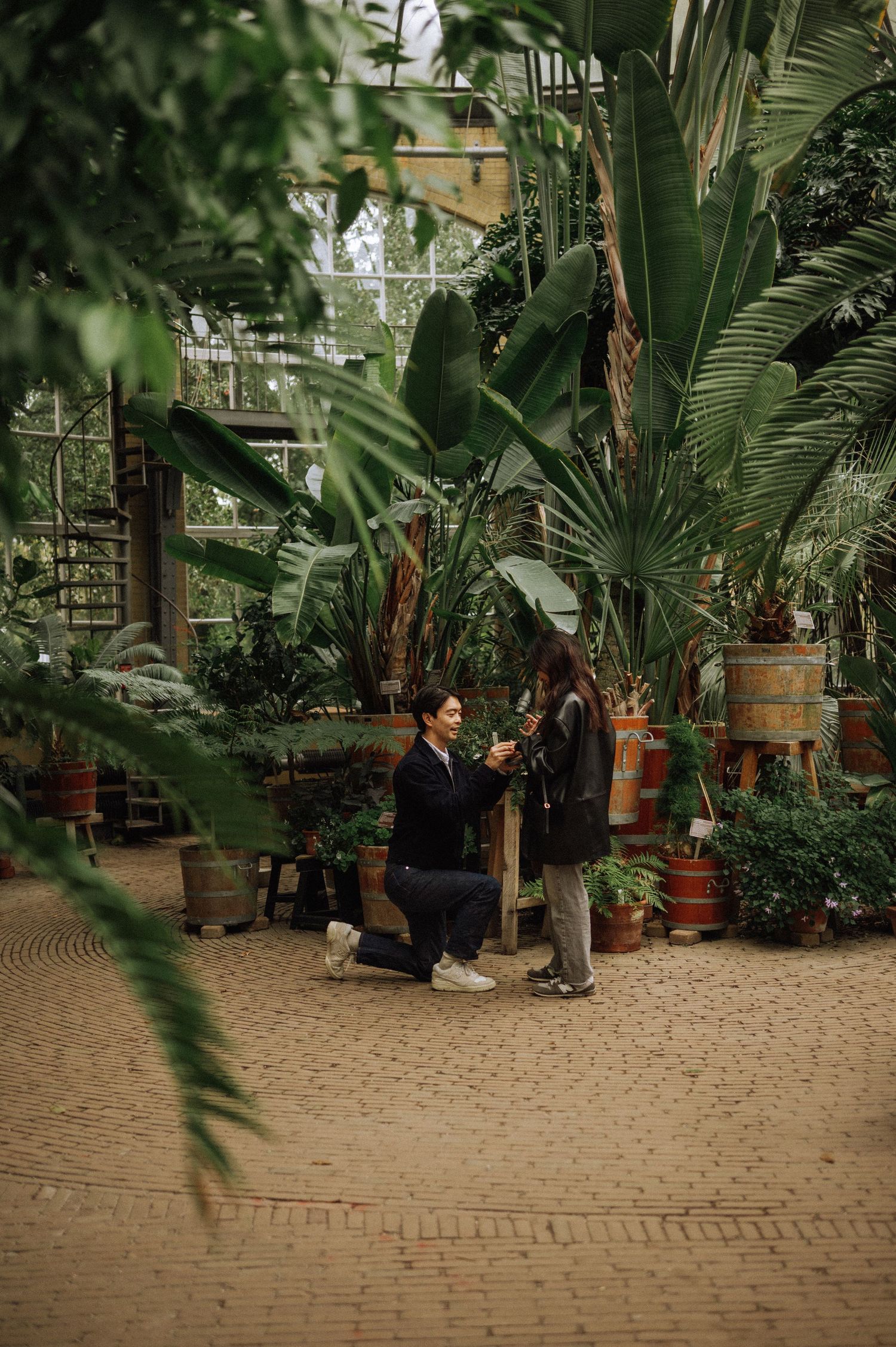
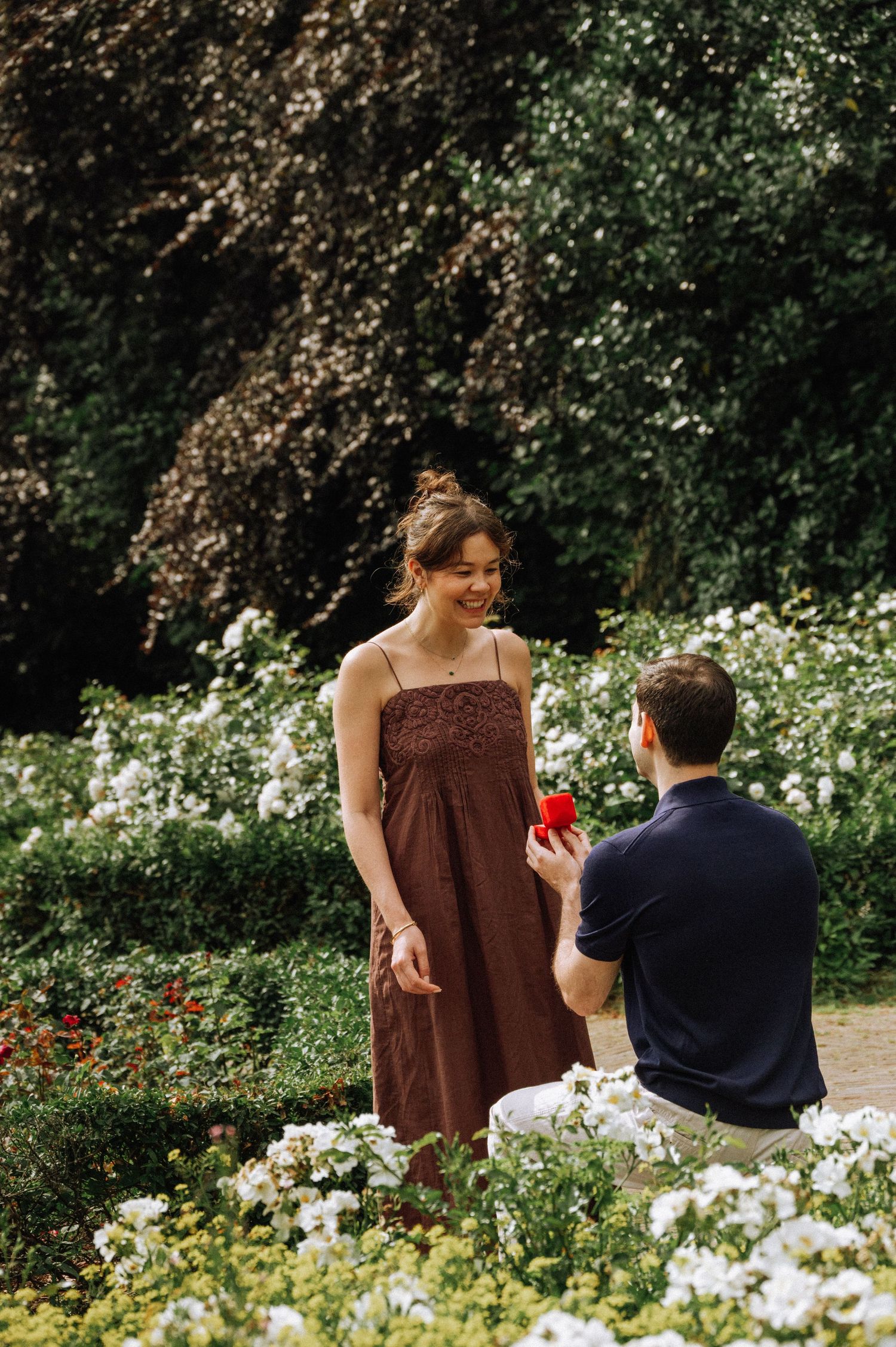
In all the proposals I've photographed, the men have gone down on one knee. It's a familiar gesture, and it often makes the moment feel even more special.
But does it have to happen that way? No.
If kneeling feels right to you, go for it. If you have knee problems or another reason why it's uncomfortable, you can propose without doing it. The important part is the question, not the position you're in when you ask it.
And which knee should you use? Whichever feels more comfortable. You don't need to spend the days before your proposal worrying about that detail.
One practical thing is worth checking in advance: make sure your trousers allow you to kneel comfortably. I've seen grooms struggle because their trousers were too tight. You can read more about choosing an outfit and checking your clothes in my guide to trousers you can kneel in.
3. Practise opening the ring box
This is a small thing, but it's worth checking before the day.
Open the ring box a few times at home. Does it open easily? Can you do it with one hand? Is there anything awkward about the way it works?
You don't need to rehearse the whole proposal in front of a mirror. Just make sure the box isn't going to surprise you when you need it to open.
4. What should you say?
I've seen all kinds of proposal speeches. Some men prepare their words in advance, while others speak spontaneously. Some say just a few sentences; others give a much longer speech.
Both approaches are absolutely fine. A long speech isn't automatically more romantic, and you don't need to memorise something elaborate.
But I do think it's worth saying something personal before asking the question. Tell her what she means to you, what you love about your life together, or why you've realised she's the person you want to grow old with.
It doesn't have to sound like a film script. Something as simple as "I'm so happy with you, and I know you're the person I want to spend my life with" can mean a great deal when it's said sincerely.
You can prepare a few thoughts beforehand if that helps you feel more confident. And if you decide to speak from the heart instead, that's fine too. I've photographed plenty of proposals where the words came naturally.
5. How might she react?
This is one of the things people sometimes worry about before proposing. They imagine a particular reaction and then wonder whether the real moment will look the same.
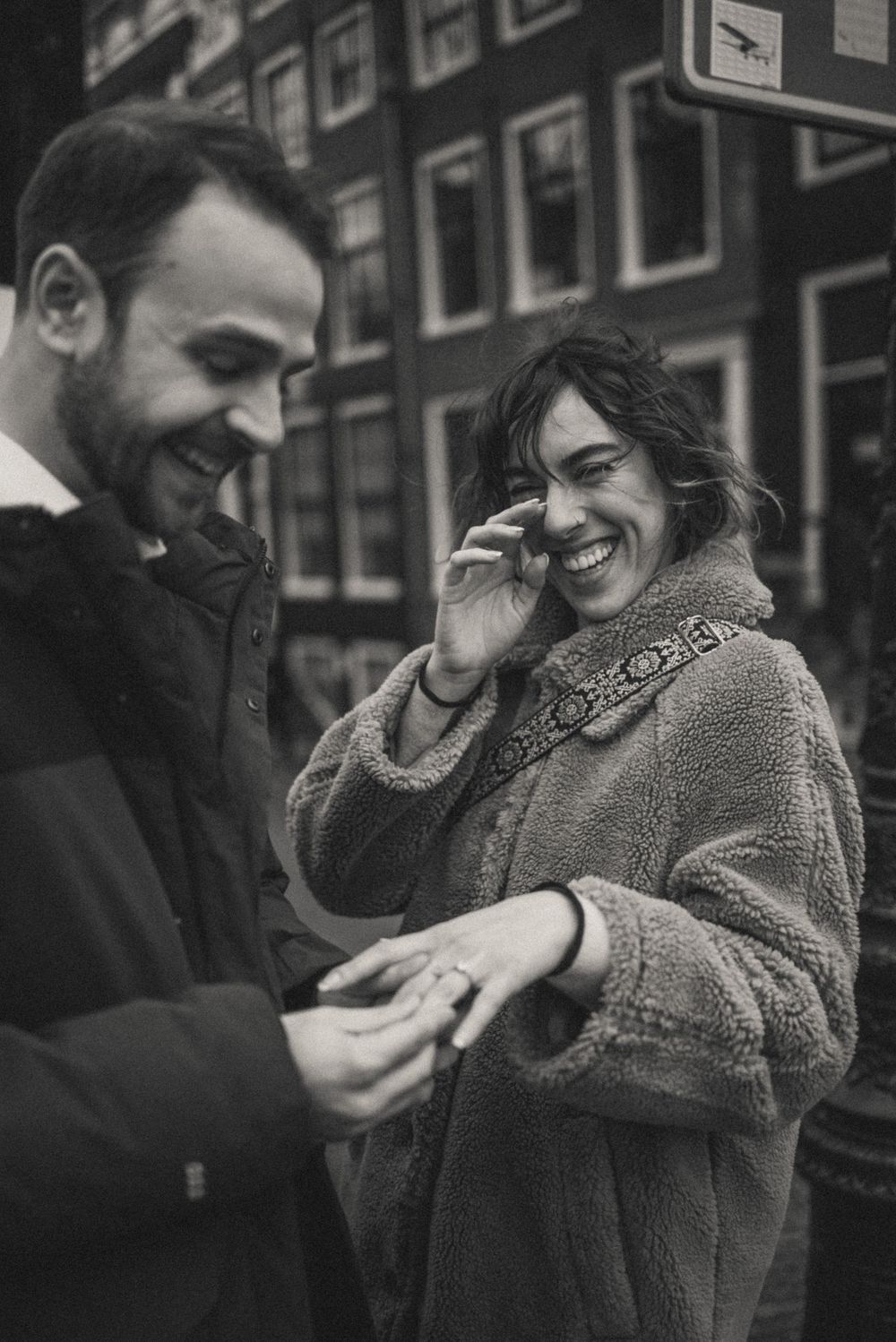
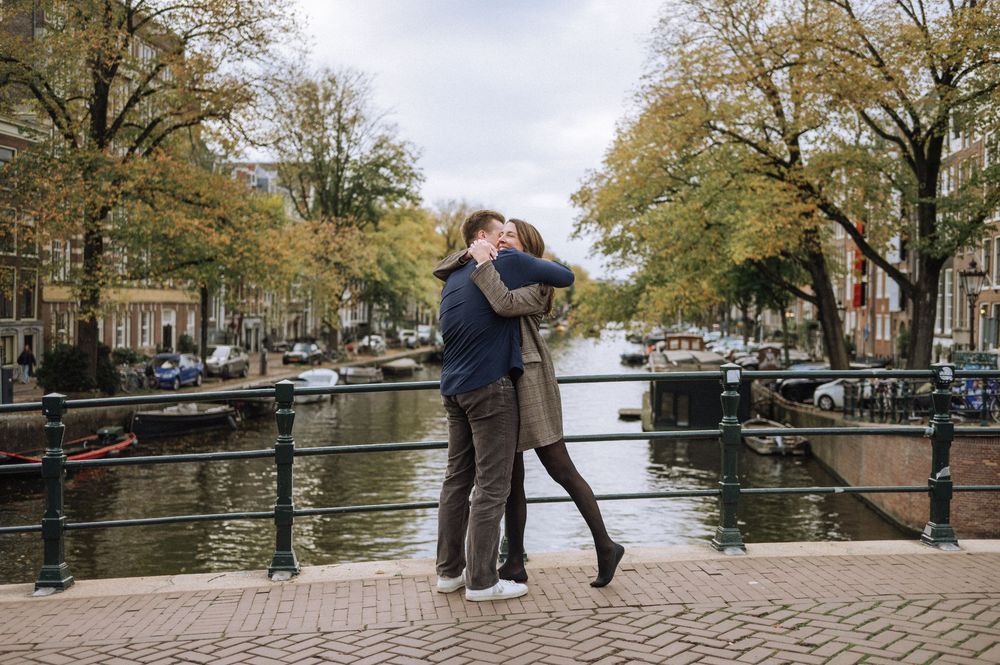
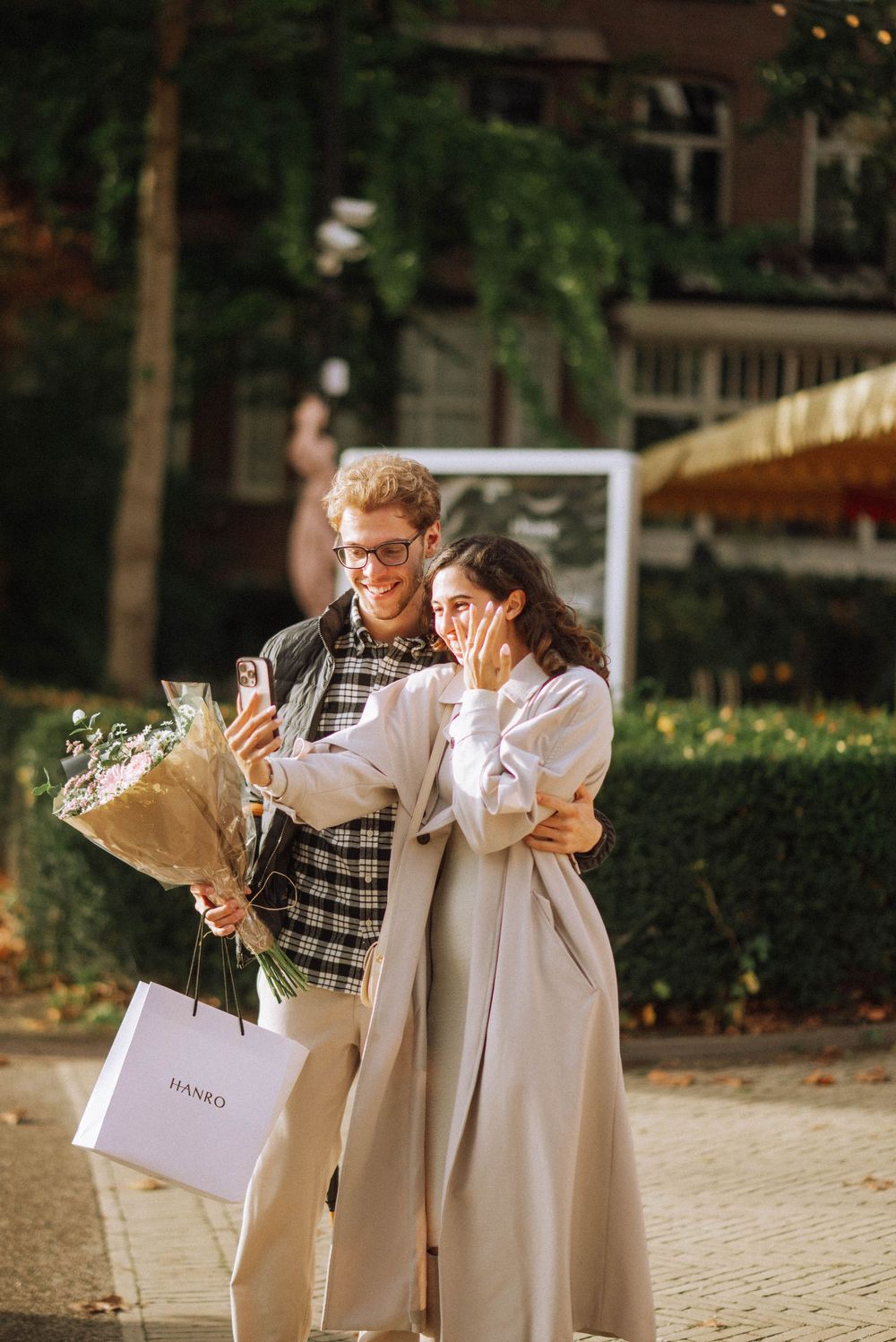
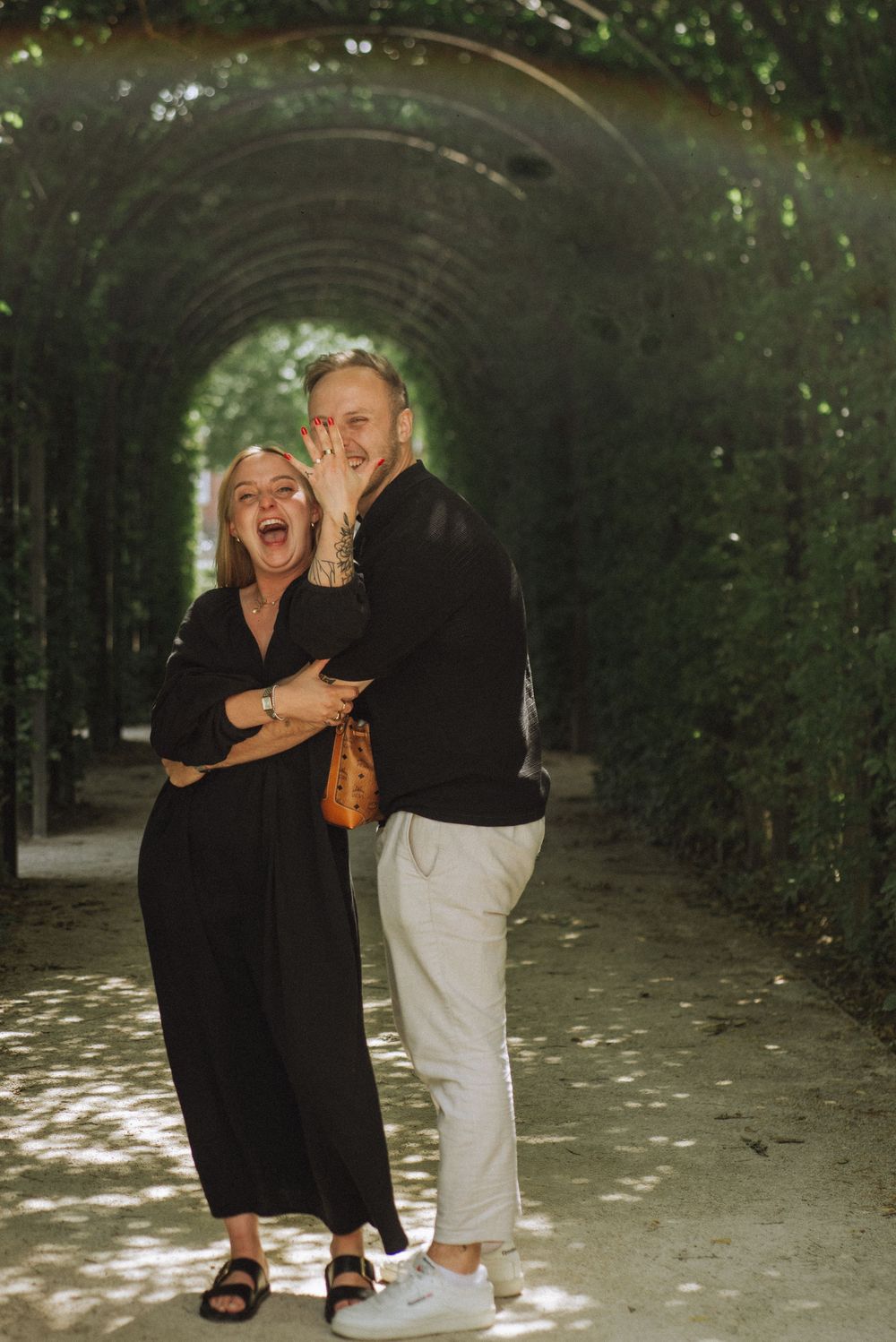
In my experience, reactions are often very emotional. Some women cover their faces with their hands, some laugh and cry at the same time, and some immediately reach out to hug their partner. Quite often, there's a mixture of all these things.
I remember one woman telling me afterwards that she'd worried about crying and covering her face during the proposal. She had imagined that reaction so many times that, when the moment actually happened, she became focused on trying not to cover her face. She was so busy thinking about her reaction that she felt she'd lost a little of the moment itself.
I couldn't quite tell whether she felt happy or disappointed about that, but her story stayed with me. It reminded me how easy it is to put expectations on ourselves, even when we're supposed to be experiencing something wonderful.
So please don't worry about whether your partner will react in the way you've imagined. She might laugh, cry, go quiet for a moment or throw her arms around you. There's no correct reaction, and you don't need to make the moment look a certain way.
6. What about the ring?
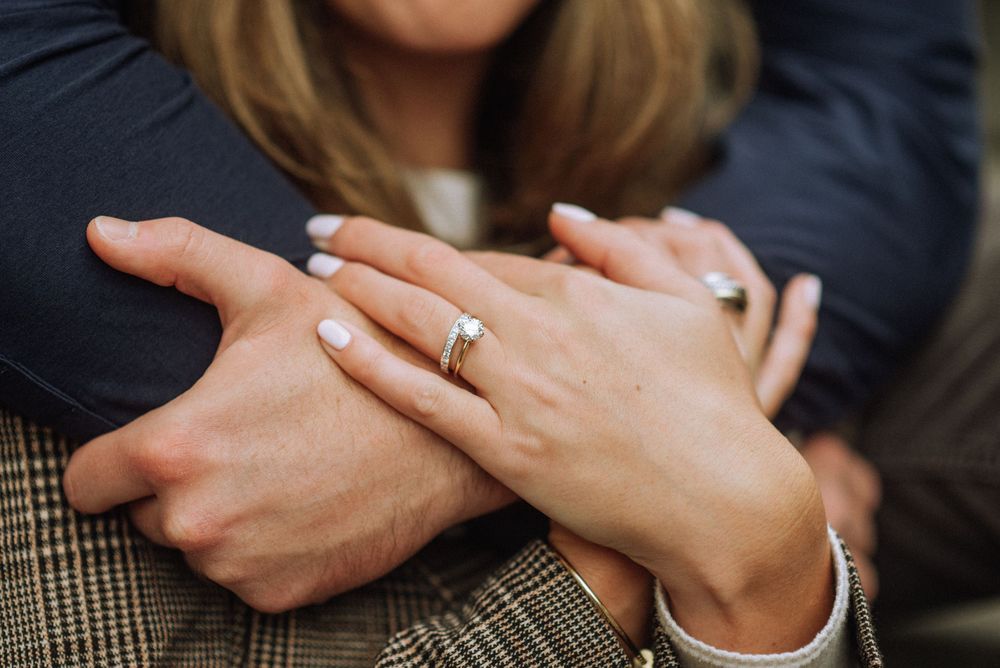
In the proposals I've photographed, the ring has always gone on the left hand. Sometimes it's a little loose, but most of the time it fits perfectly.
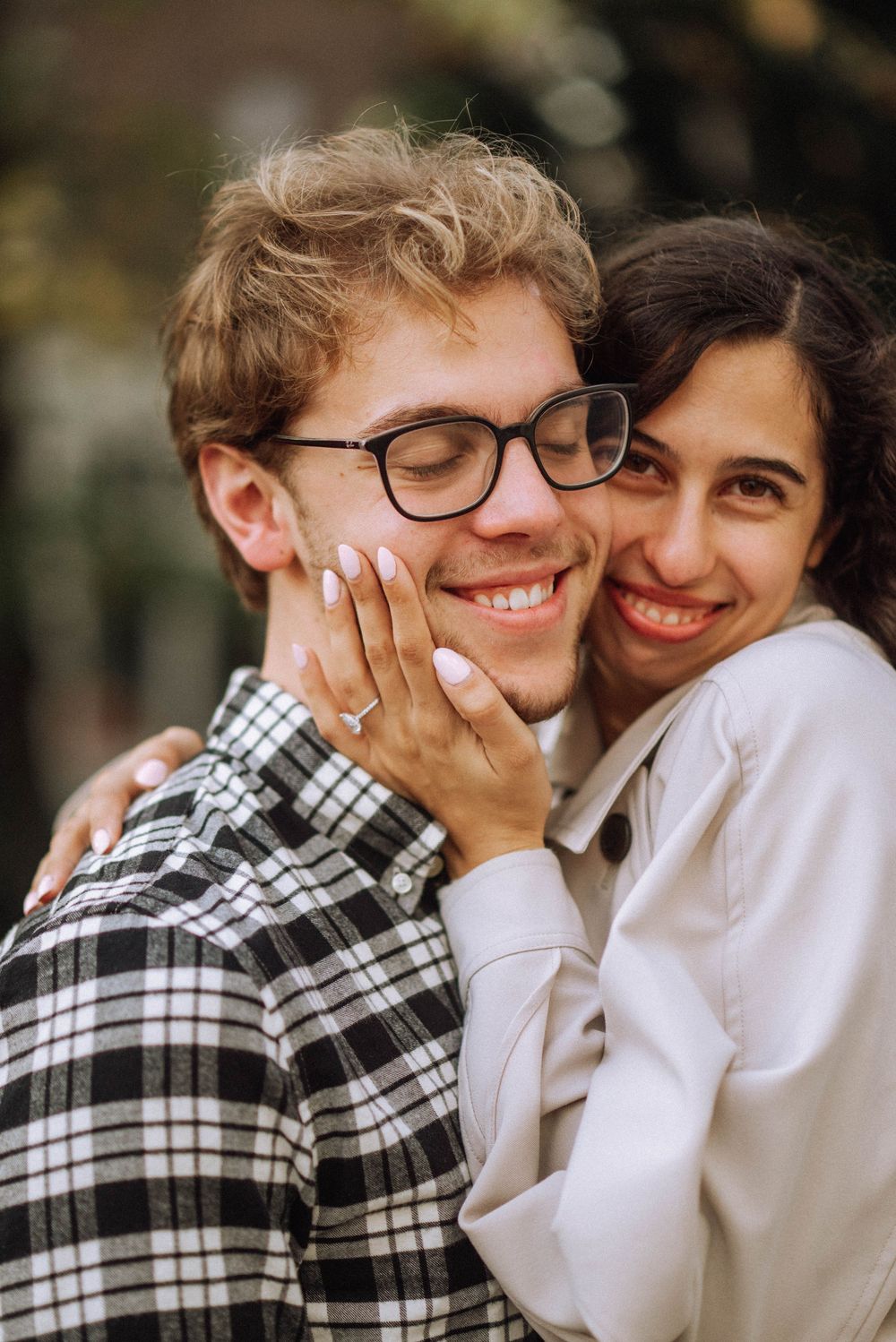
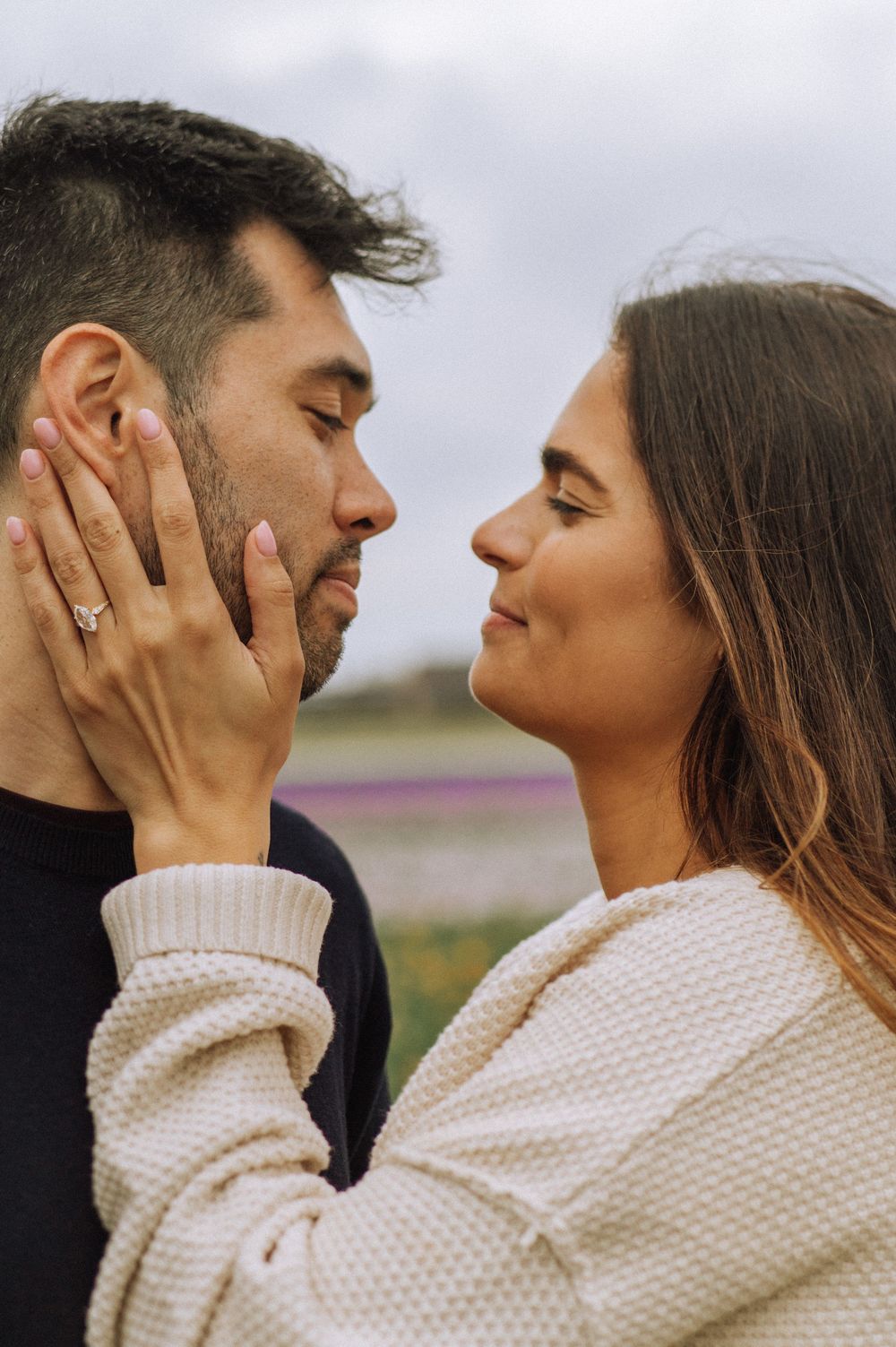
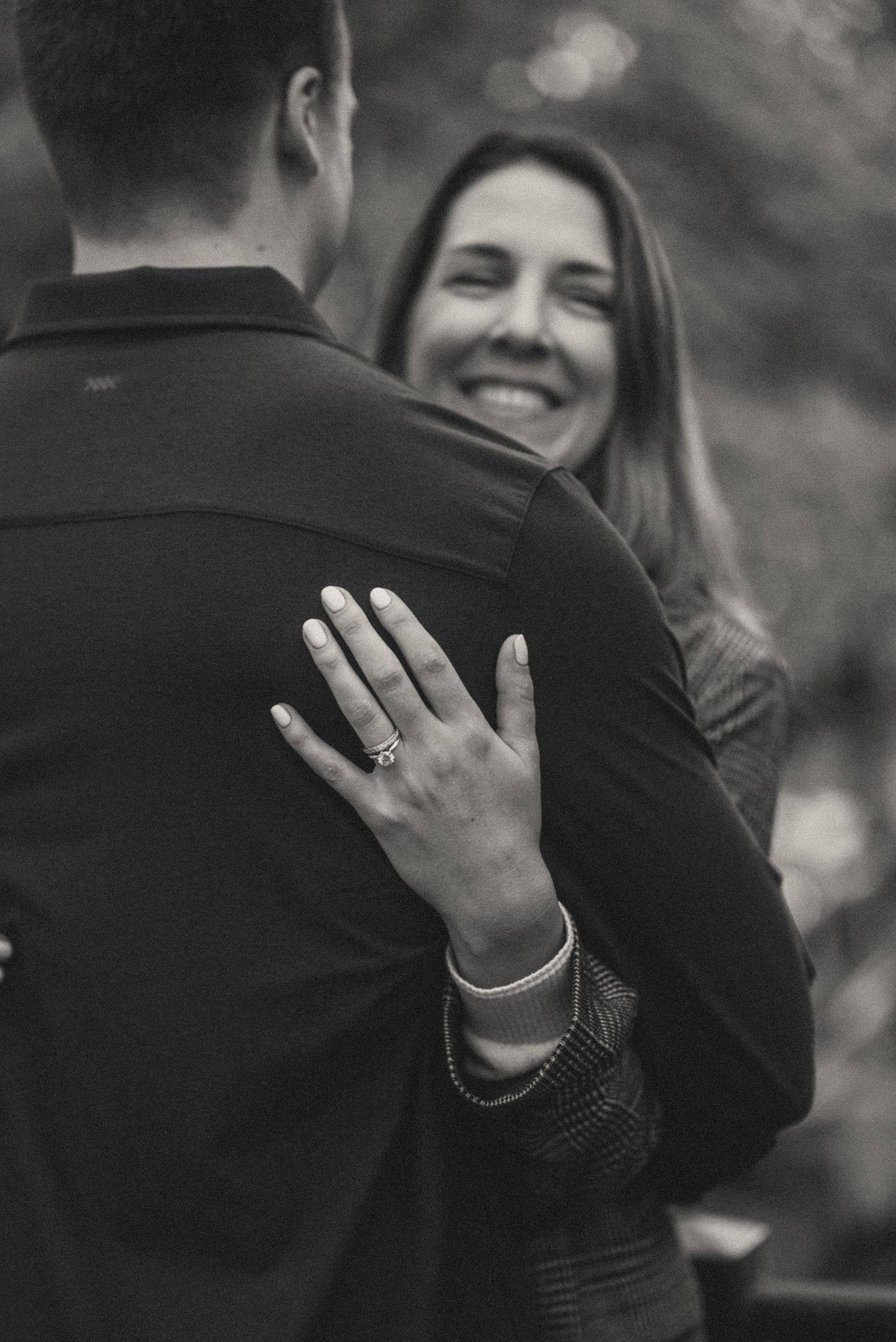
And once the ring is on, many women are delighted to look at it closely. They'll turn their hand, admire the stone and show it to their partner while we're taking photographs.
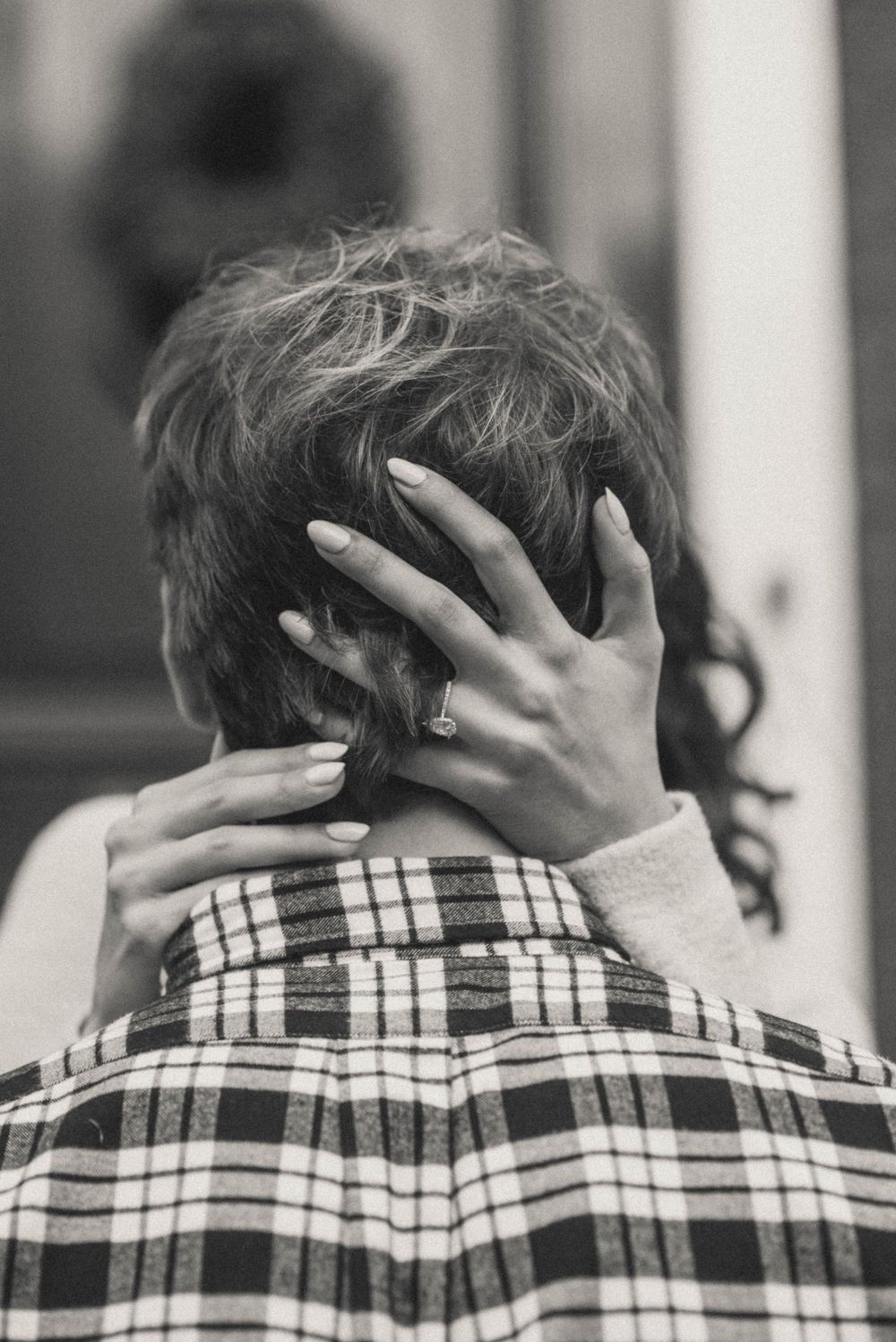
It's a lovely part of the moment, and there's no need to rush past it. After the initial excitement, we'll have time to photograph the ring and your hands together.
7. The first minutes after "yes"
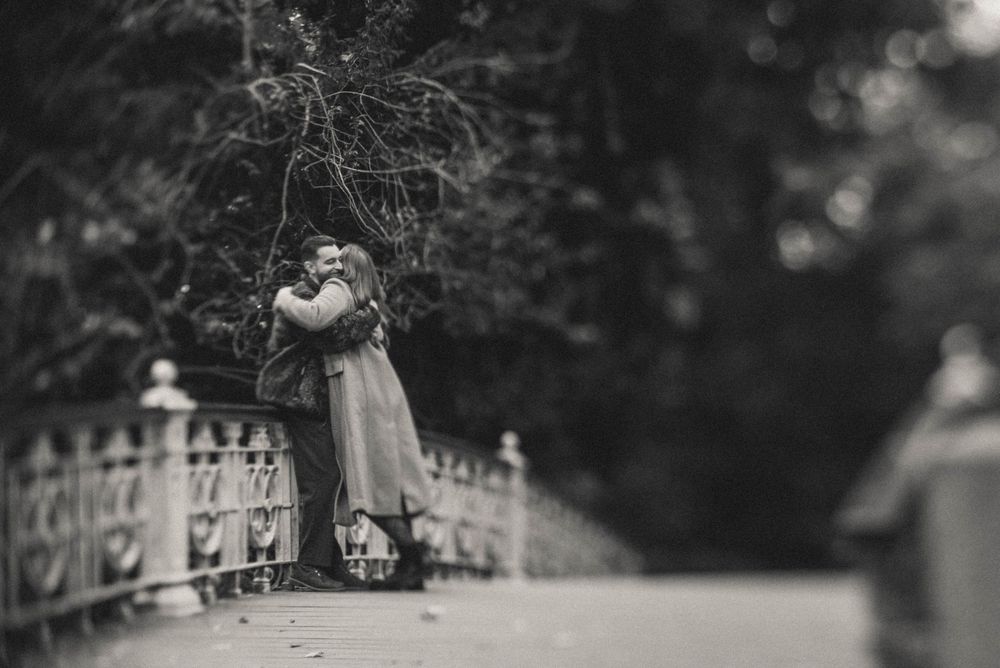
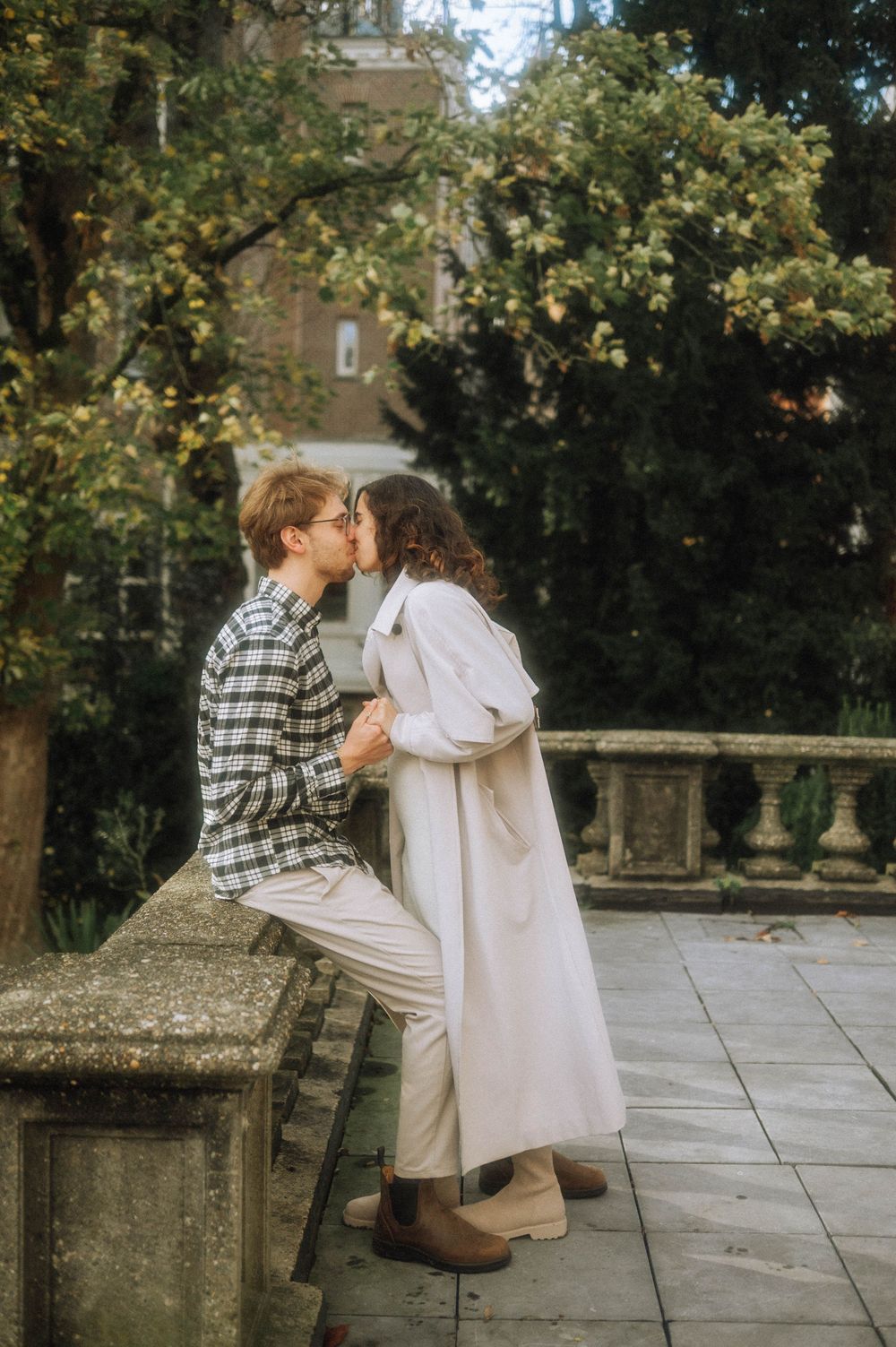
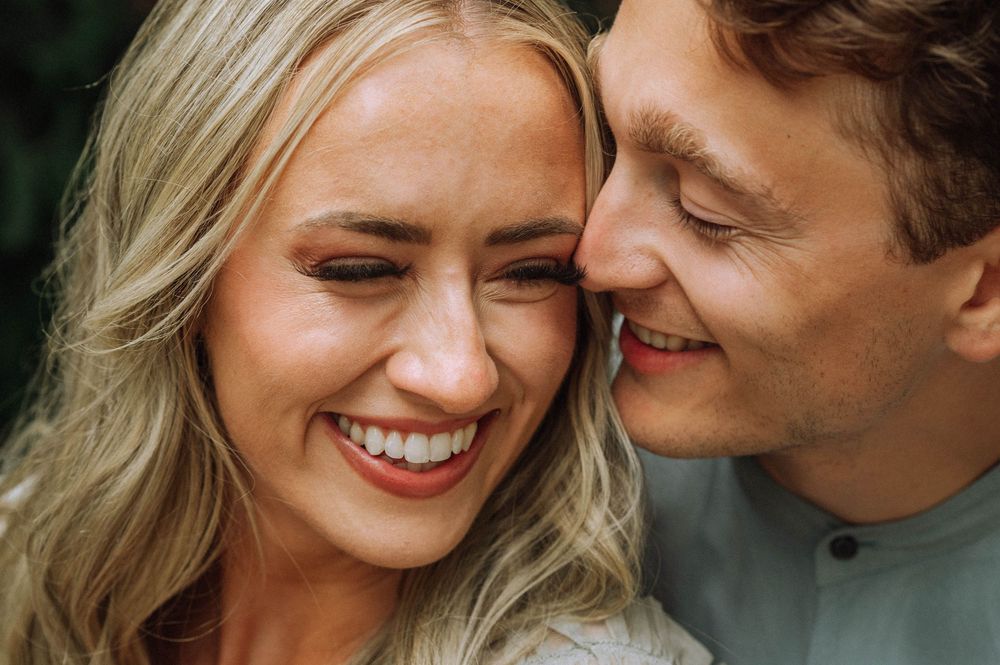
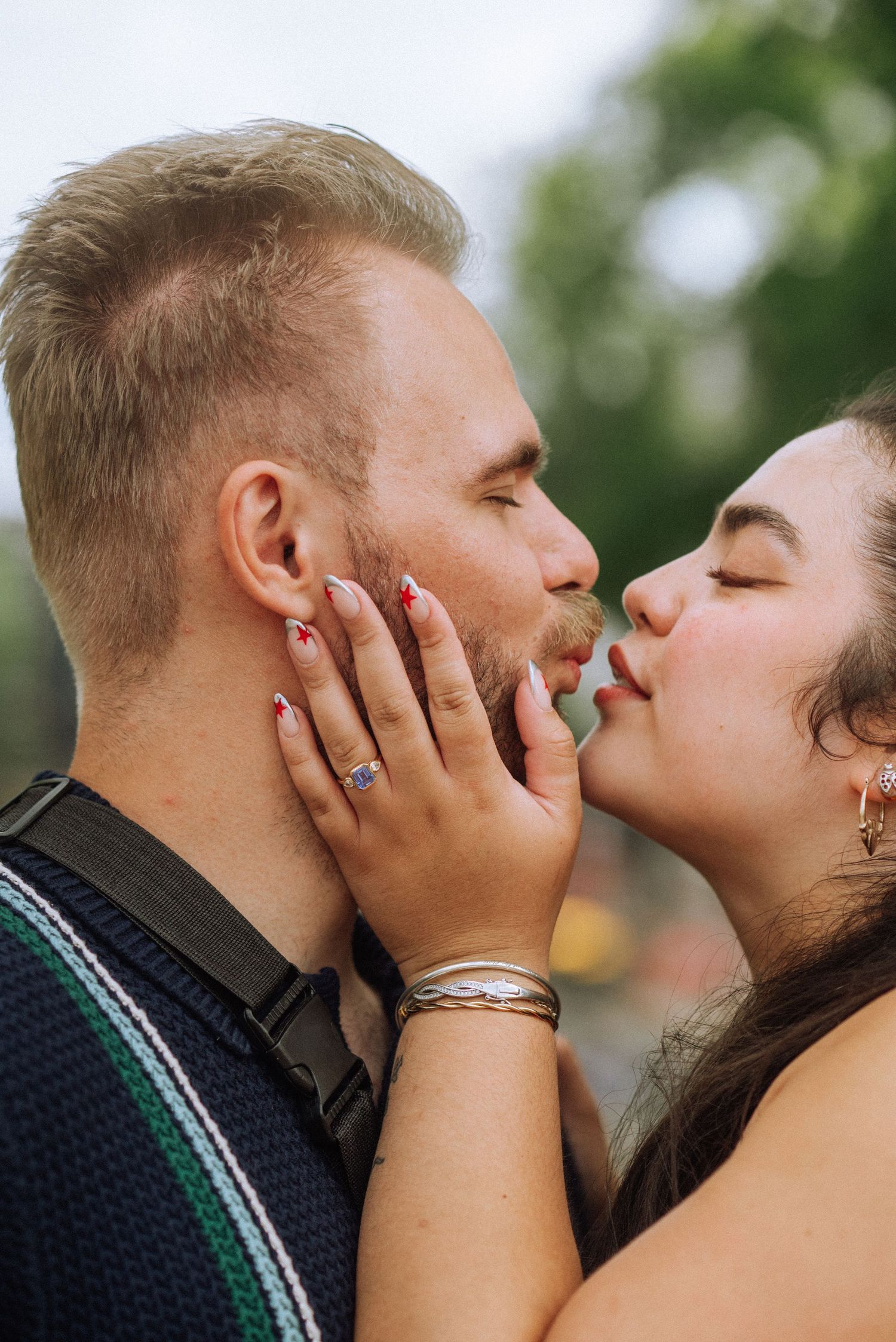
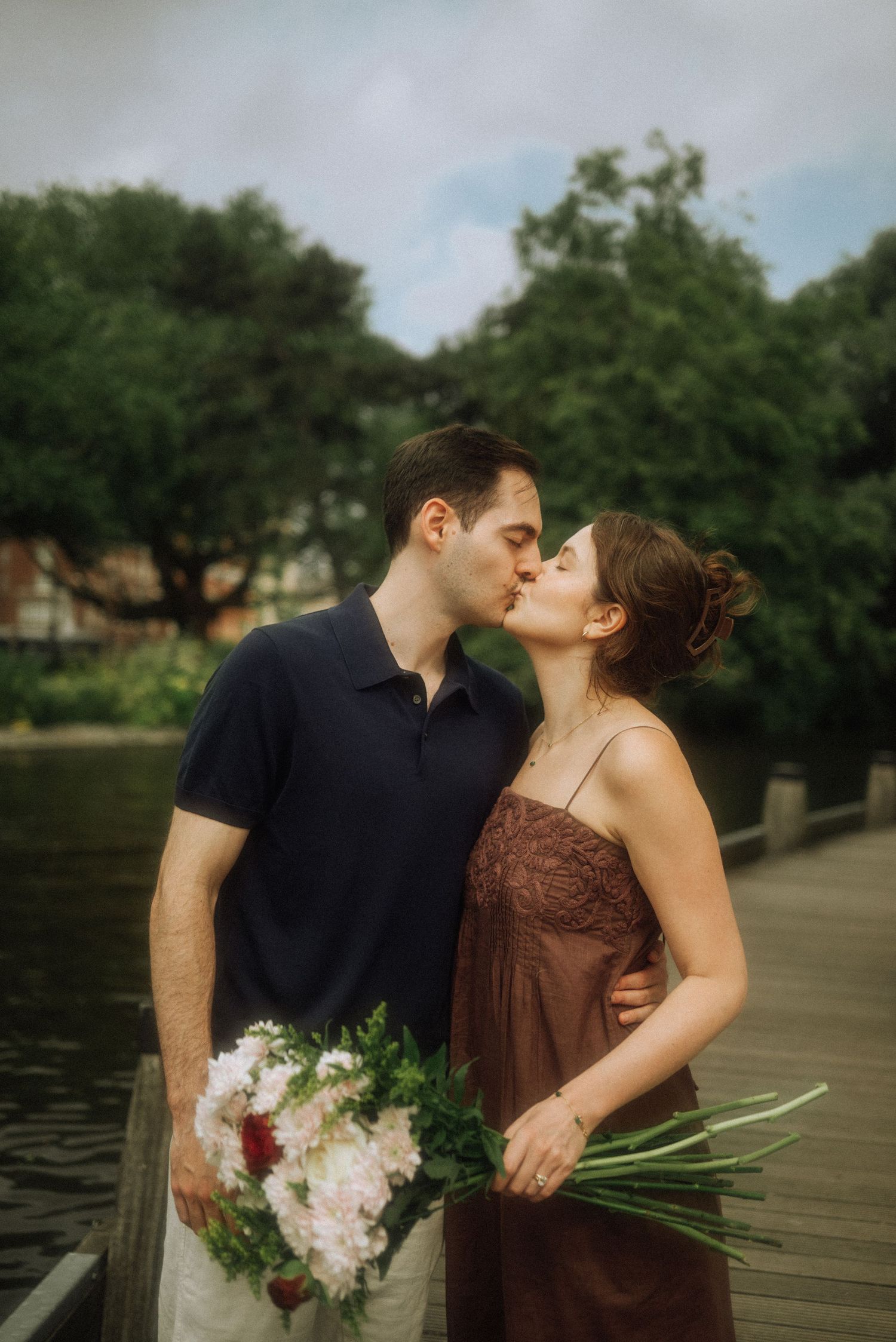
After the answer, couples usually hug and kiss. Sometimes they laugh, sometimes they cry, and sometimes they simply hold each other for a while as everything sinks in.
I approach the couple quite quickly after the proposal, but I don't expect them to immediately start posing. I introduce myself, congratulate them and give them time to take in what has just happened.
Some people need a little longer than others to settle down. That's completely normal. You've just experienced a very emotional moment, and there's no reason to rush straight into photographs.
People sometimes assume they'll need to call their parents or friends immediately afterwards. In my experience, that usually doesn't happen in the first few minutes. Some couples make those calls later, once they've had a little time together; others don't call anyone straight away.
There's no schedule you need to follow. We'll take the photographs, but we'll also leave room for you to enjoy being engaged.
If you're curious about how the photographer stays out of the way while keeping the proposal a surprise, I've written more about how to keep your proposal a secret.
8. Flowers and champagne: lovely, but not essential
Flowers and champagne can make the occasion feel more celebratory, but you don't have to organise them for the proposal to be special.
They're easiest to arrange when friends or family are involved. On a boat, the captain may also be able to prepare something and keep it hidden until the right moment. That way, you don't have to carry everything around beforehand.
I can't bring a bouquet or champagne myself. I'm moving around with my photography equipment and bags, so it's not practical for me to take responsibility for carrying extra things. But I can recommend a couple of interesting flower shops where you can stop after the proposal.
That's actually what one couple did. They went to a flower shop together after the proposal and chose flowers that were particularly meaningful to them. The florist put together a beautiful, delicate bouquet, and the bride carried it with her during the rest of our photoshoot.
I've also had friends bring flowers and champagne for couples. It can be a lovely surprise, but it's entirely optional.
One time, friends arrived with an absolutely enormous, heavy bouquet. It was gorgeous, no question about that! But carrying it around and taking photographs with it wasn't very practical. We eventually asked the friends to take it back to the hotel room while we continued the photoshoot.
If you're considering proposing on the water, you can read more about a proposal on a boat in Amsterdam.
9. The two things that really matter
If there's one thing I want you to take away from this article, it's that you don't need to manage every detail of the moment yourself.
There are two practical things I really want you to get right.
First, make sure you're at the correct location. If we've agreed on a particular bridge, don't assume the one nearby is close enough. Even if two bridges are only a short distance apart, it can take precious time to reach the right one. I need to be close enough to photograph the very beginning of the proposal, including your partner's first reaction.
Second, make sure I can see you before you start. We will have agreed on how to recognise each other beforehand, so you don't need to start the proposal until you're confident I'm nearby and ready.
Beyond that, please don't add a long list of instructions to your mental checklist. You don't need to remember which direction to face, how to hold your hands or how to make sure your partner's face stays visible.
I move quickly and adjust my angle to what's happening. If you turn slightly or move unexpectedly, I'll adapt. That's my job, not something you need to worry about while you're asking the most important question of your life.
I've seen how small misunderstandings can affect a proposal, and I've collected some of those experiences in the proposal fails I'll never forget. The point isn't to make you anxious about everything that could go wrong. It's to show why confirming the location and communicating with your photographer beforehand are worth the effort.
10. It's normal to be nervous (and to ask me anything)
I'd say that around 99% of the men I photograph are nervous before proposing. It's a big moment, and even if you're completely sure about your decision, it's natural to feel the pressure.
You don't have to pretend you're calm, and you don't need to hide your nerves from me. I've seen plenty of nervous grooms, and it doesn't make the moment any less special.
And please ask me questions if something is worrying you. There are no stupid questions. If you're unsure about the location, how we'll recognise each other, what happens after the proposal or anything else, just ask.
I'd much rather answer your questions beforehand than have you spend the days leading up to the proposal worrying about something we could easily clarify.
If the anxiety is getting in the way of enjoying the preparations, you might also find my article about pre-proposal anxiety helpful.
11. Planning your proposal in Amsterdam?
If you're planning a secret proposal in Amsterdam, I'd love to hear what you have in mind. Tell me a little about your plans, and we can work through the practical details together.
We’ll agree on the location, the time and how we’ll recognise each other. Once those details are sorted, you can focus on the person you’re proposing to.
The easiest way to get in touch is through the contact form below. You can also message me directly on WhatsApp if you prefer.
You can find more information about my secret proposal photography in Amsterdam.
And if you'd like to hear from couples I've photographed, here are my reviews: ★ 5.0 from 60+ Google reviews.
I look forward to hearing what you're planning!