Healing Through Introspective Photography: A Gentle Return to Yourself After Divorce, Burnout, or Body Changes
Sometimes women come to an introspective session not because they want beautiful photos — but because they want to feel comfortable in their own body again.
Not confident. Not sexy. Just… okay being here.
After divorce, burnout, or significant body changes, many women tell me something similar: “I don’t recognize myself anymore.” Or: “I feel disconnected from my body.” Or simply: “I don’t feel at home in myself.”
In moments like that, photography can become something very different from what people usually imagine. Not posing. Not performance. Not trying to look a certain way. But a slow, grounding experience — one where you can breathe, soften, and gently reconnect with yourself.
This is often what people mean when they search for boudoir healing in Amsterdam or therapeutic boudoir photography. Not therapy in the clinical sense — but an introspective experience where you don’t have to impress, fix, or prove anything. A space where your body is allowed to exist exactly as it is.
If you’d like to see how I approach these sessions, you can read more about my introspective boudoir sessions in Amsterdam here.
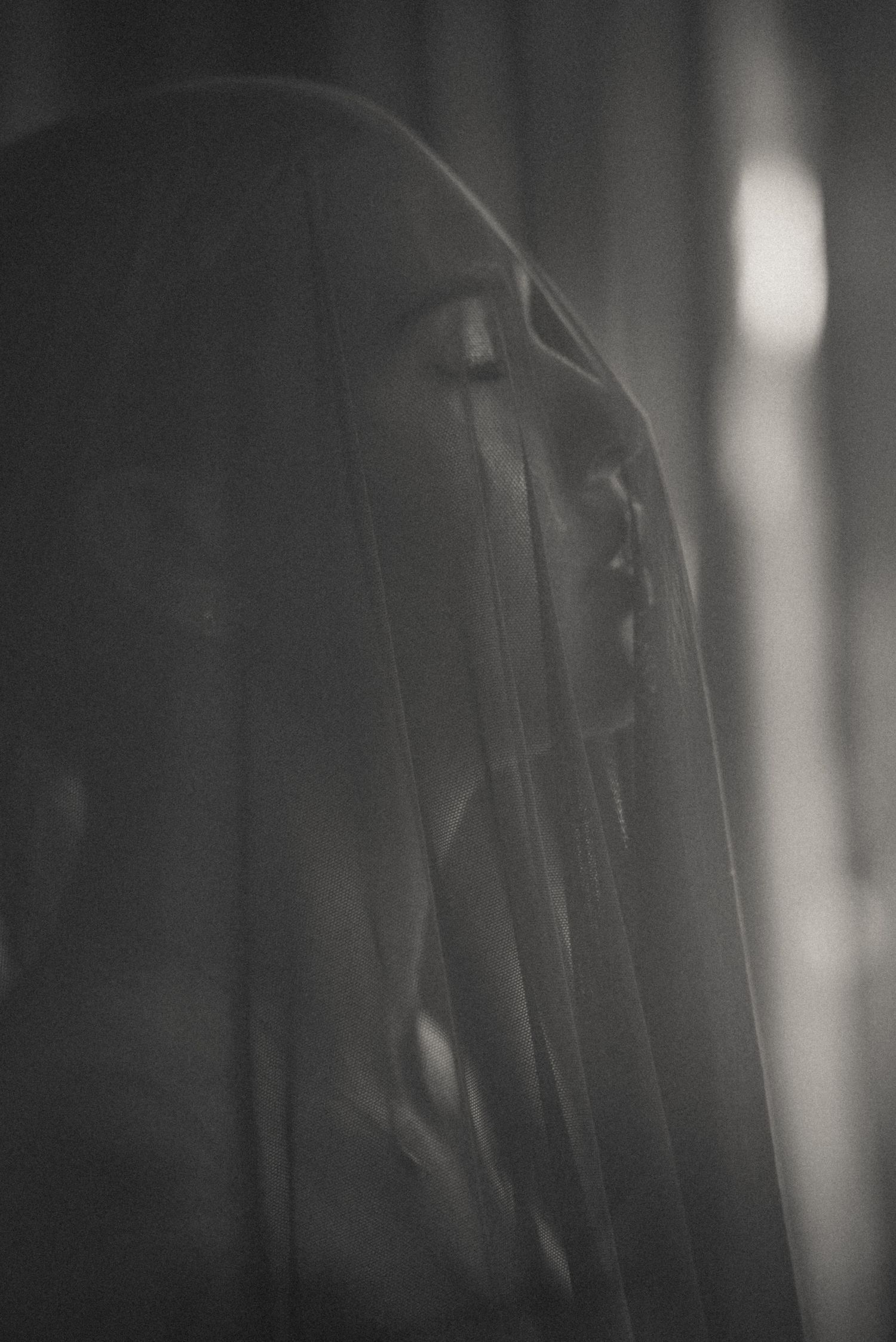
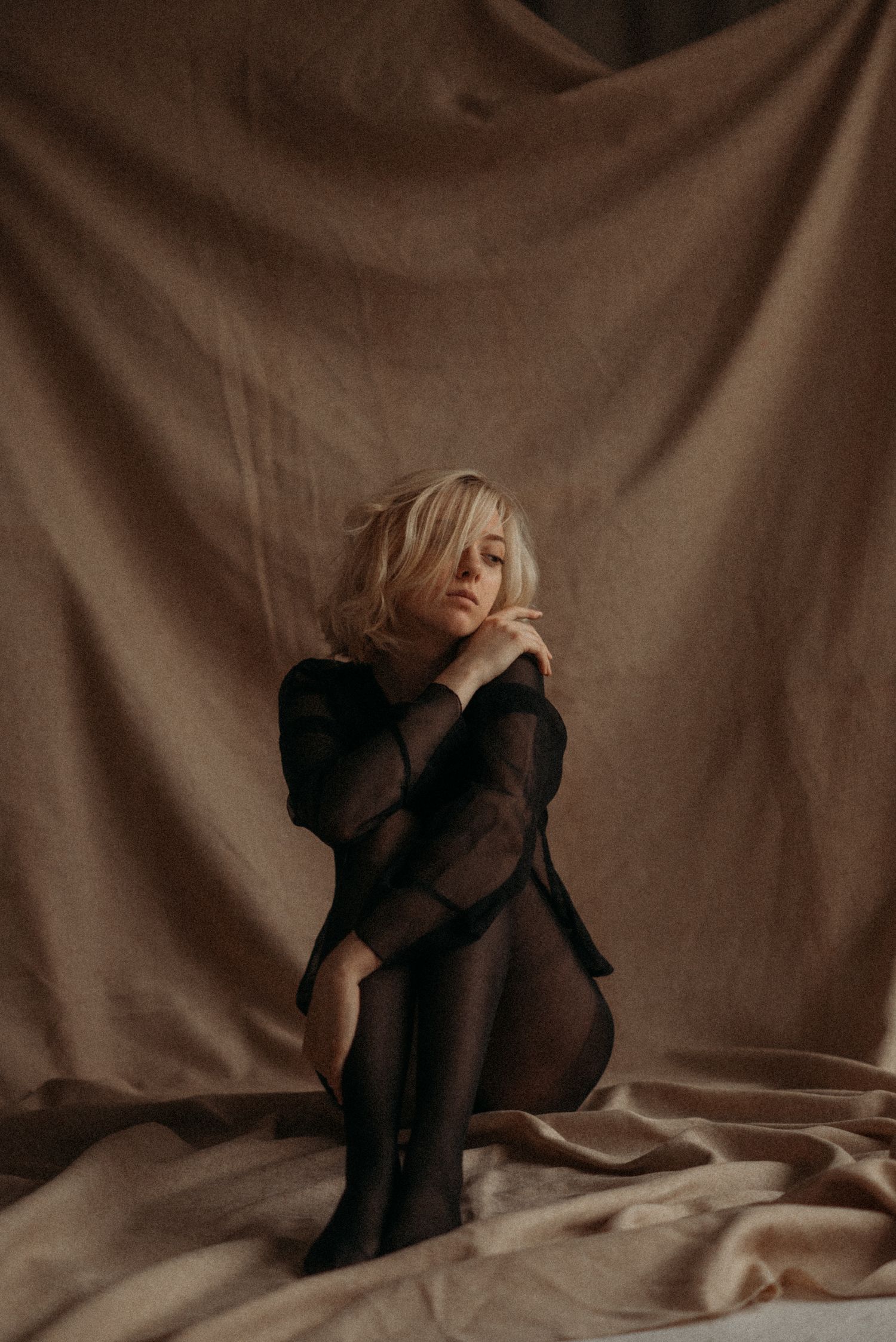
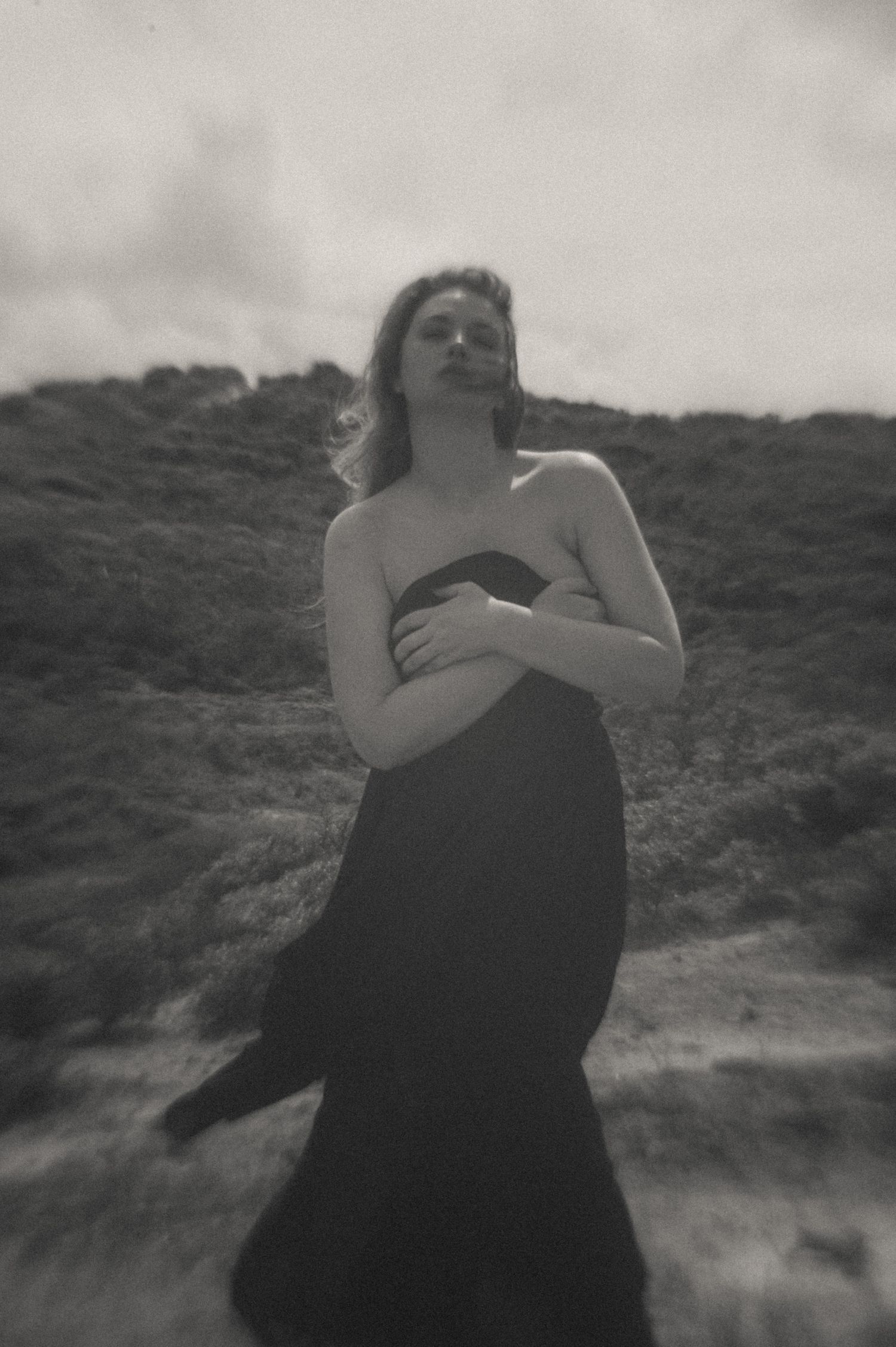
After Divorce: Reconnecting With Yourself
Divorce changes more than your relationship status. It often shifts the way you see your body, your worth, your identity outside of “we.”
Many women come carrying quiet thoughts like: “I’m not attractive anymore,” or “I don’t know who I am now.”
When someone searches for boudoir after divorce, they’re rarely looking for lingerie ideas. They’re usually looking for a way to feel like themselves again without having to perform confidence they don’t yet feel.
In my sessions, we don’t aim to “get your sexy back.” We aim to get you back — your breath, your presence, your connection to your body.
We move slowly. No forced poses. No pressure to smile or perform. We pause, breathe, adjust. I guide gently, but always follow your pace. And often something subtle shifts: you stop fighting your body and start listening to it again.
Burnout: Returning to the Body
Burnout often feels like living only in your head. Your body keeps functioning, but you feel disconnected from it.
Many women describe it as numbness. Exhaustion. Flatness.
Slowing down the nervous system is an essential part of recovery from chronic stress — something widely discussed in psychology and somatic research, including by the American Psychological Association.
An introspective photography session can support that slowing down. The atmosphere we create plays a huge role in that process — I describe it in more detail in this article about creating a safe and supportive space.
We breathe more deeply. We pause between movements. We let the body soften instead of bracing. There’s no rush and no expectation to “look empowered.” The focus is not on transformation, but on regulation and presence.
Often, what women experience isn’t a dramatic breakthrough — but a quiet exhale. A feeling of being back inside themselves.
Body Changes, Scars, and Learning to Be Seen Again
Some women come not because of emotional transitions, but because their body has changed.
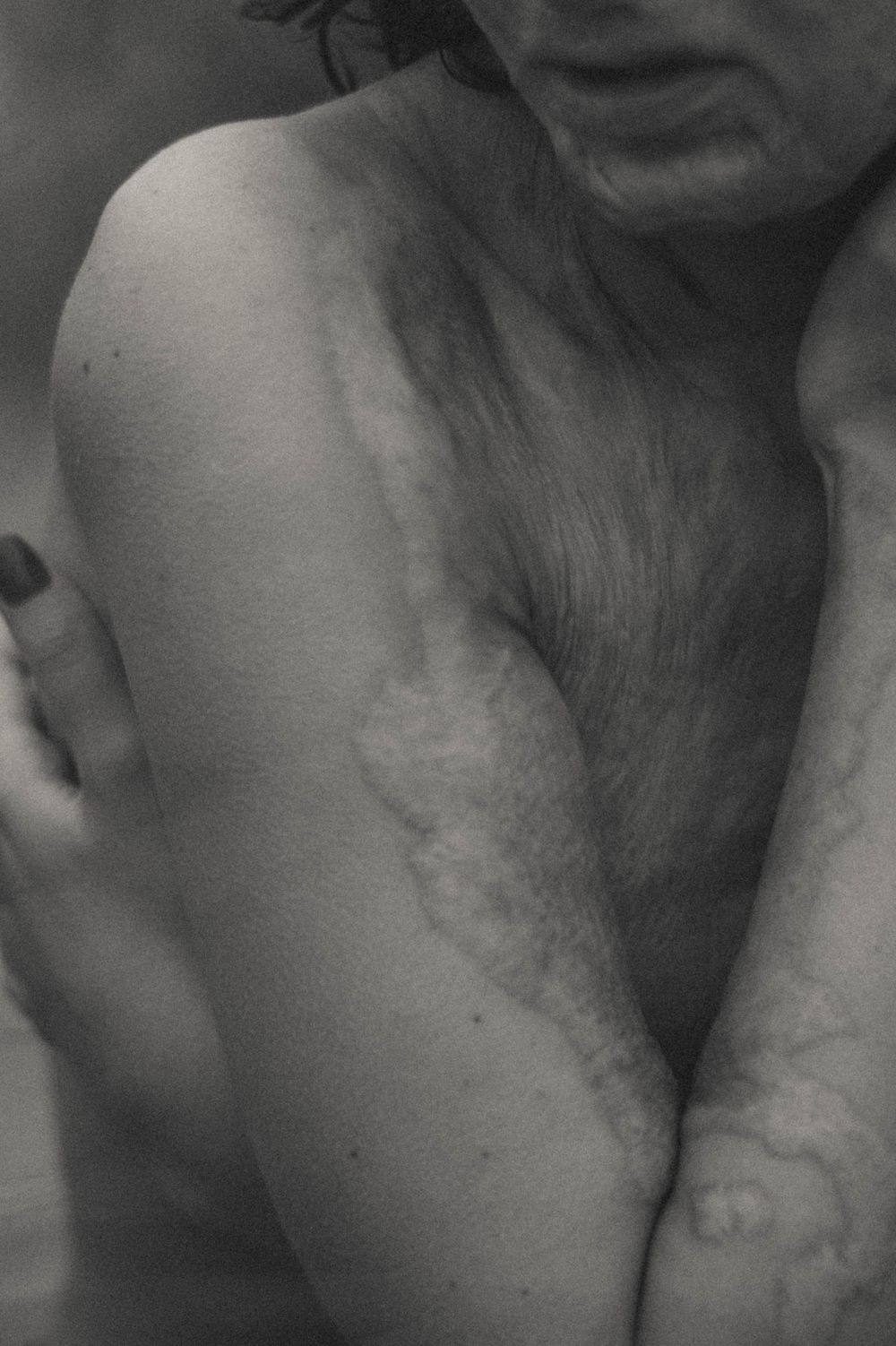
Scars. Burns. Surgery marks. Weight changes. Skin changes. Bodies that no longer look the way they once did.
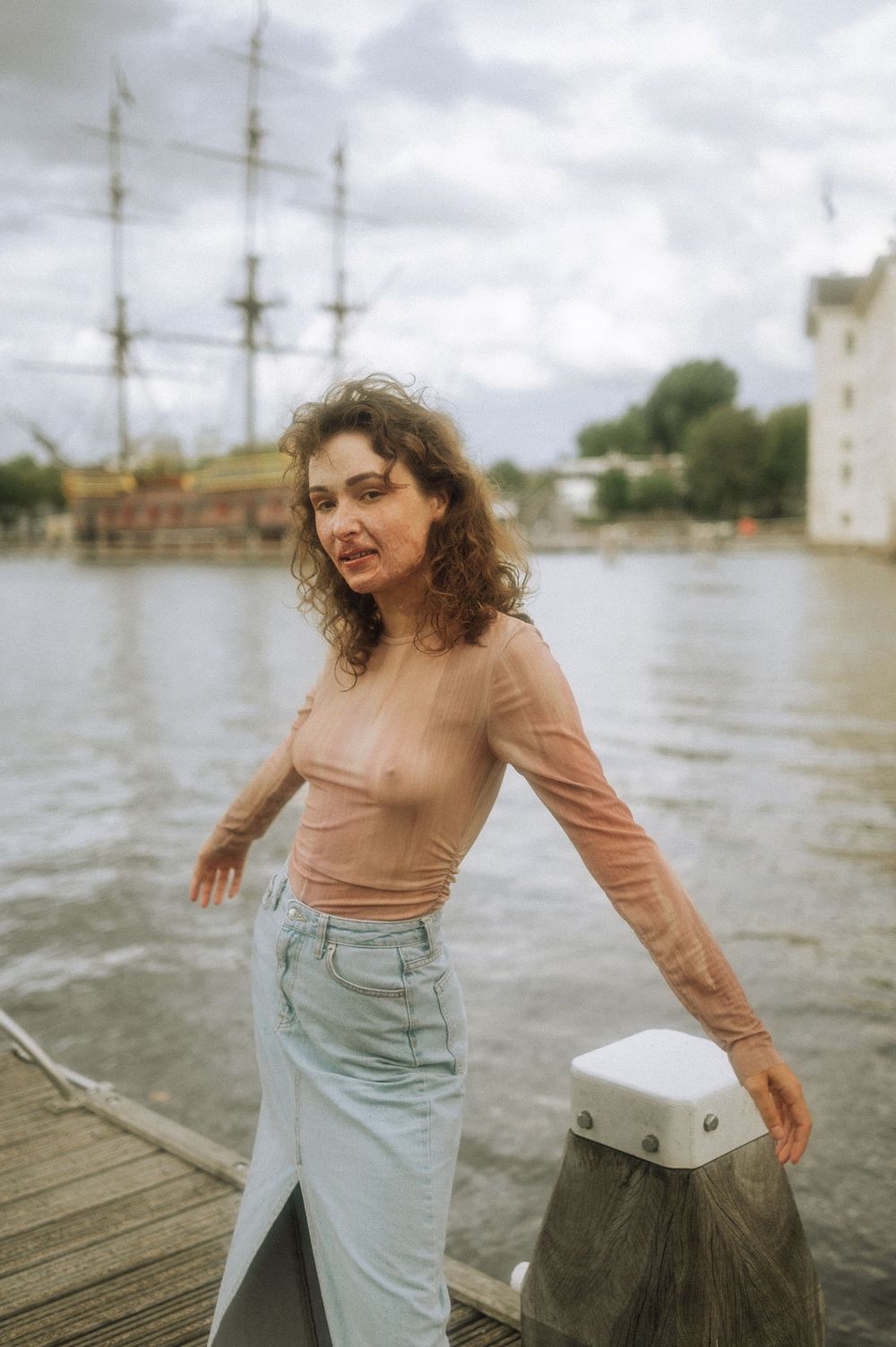
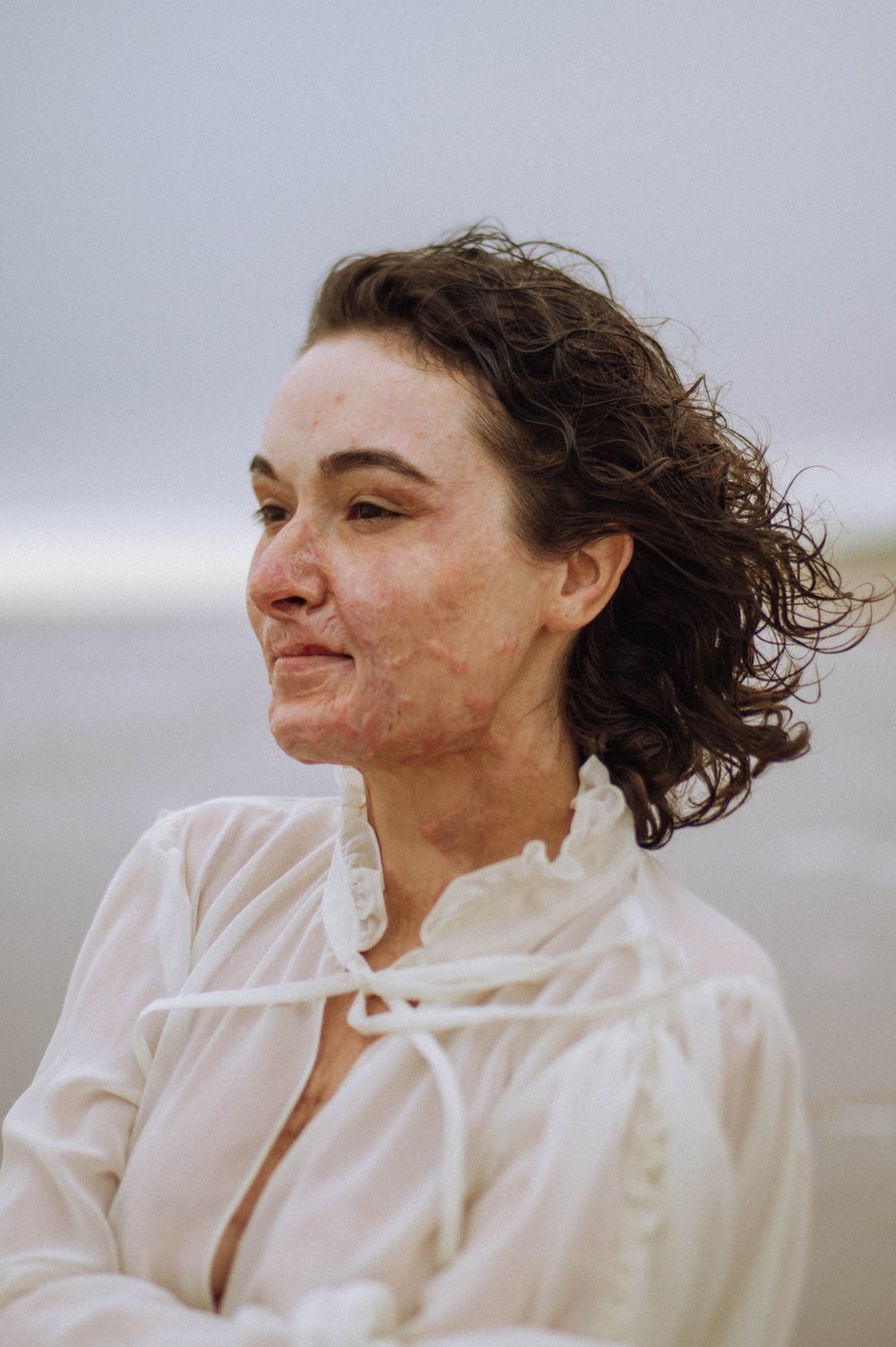
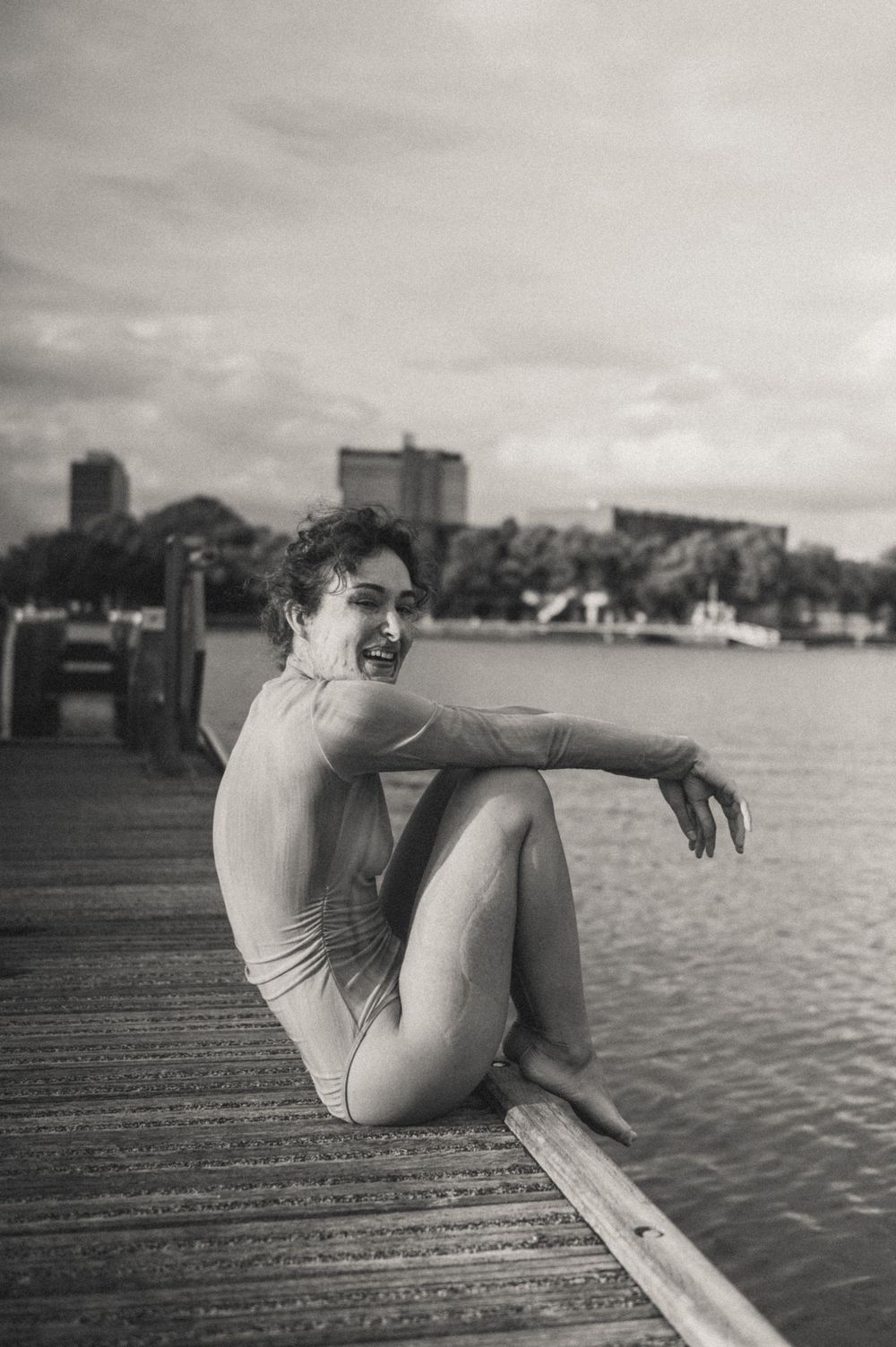
One of my clients came after surviving a fire. She had visible scars on her face and body. She didn’t come just to feel beautiful. She came because she wanted to stop avoiding her reflection and learn how to stay present while being seen.
We moved slowly. No pressure to reveal anything. No expectation to “embrace” scars. We focused on breath, grounding, and allowing her body to exist without apology.
What mattered most wasn’t the final images — it was that she stayed connected to herself during the process. And for me, the most precious moment came after: her words — "These are the first photos since it happened where I like myself. Thank you!"
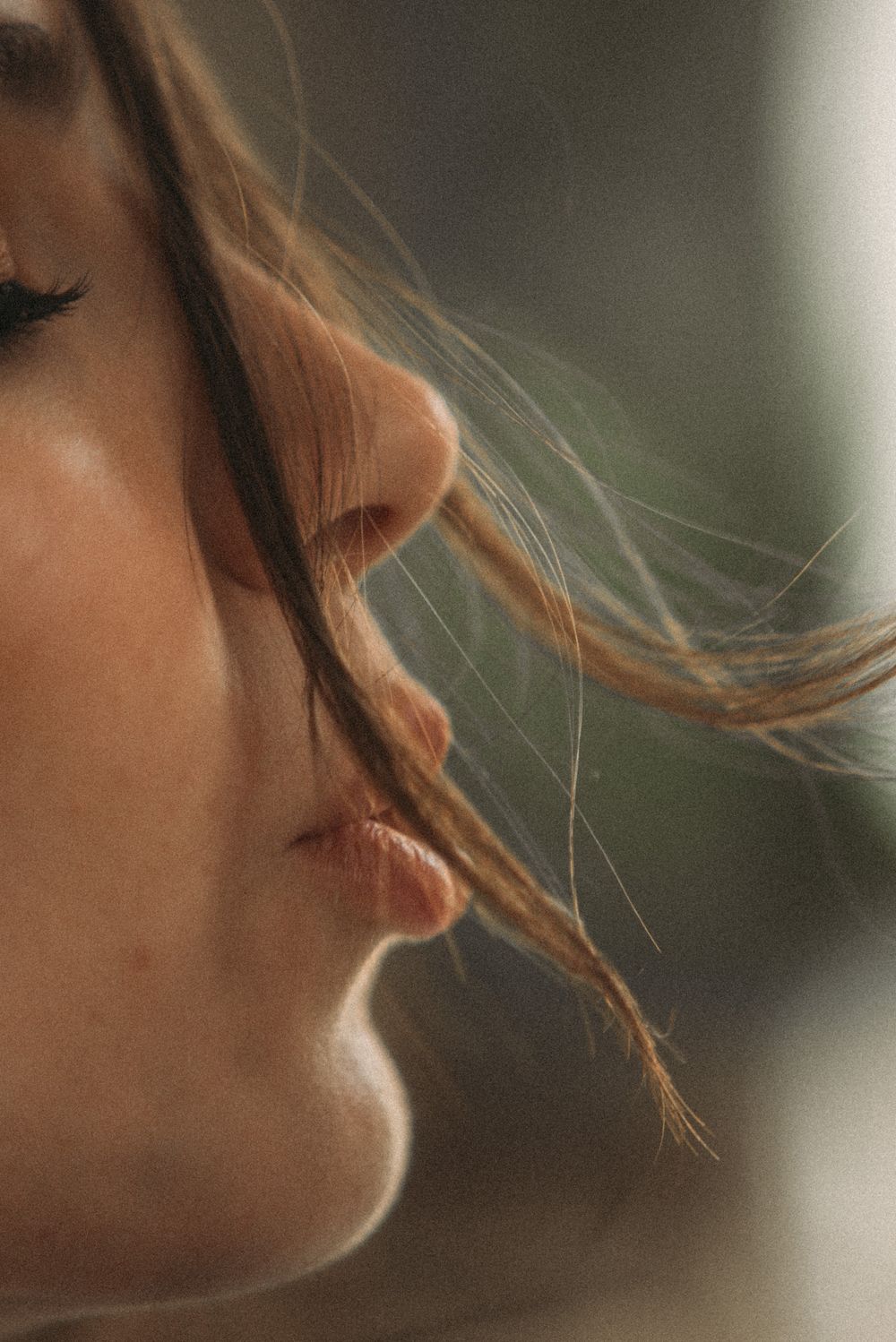
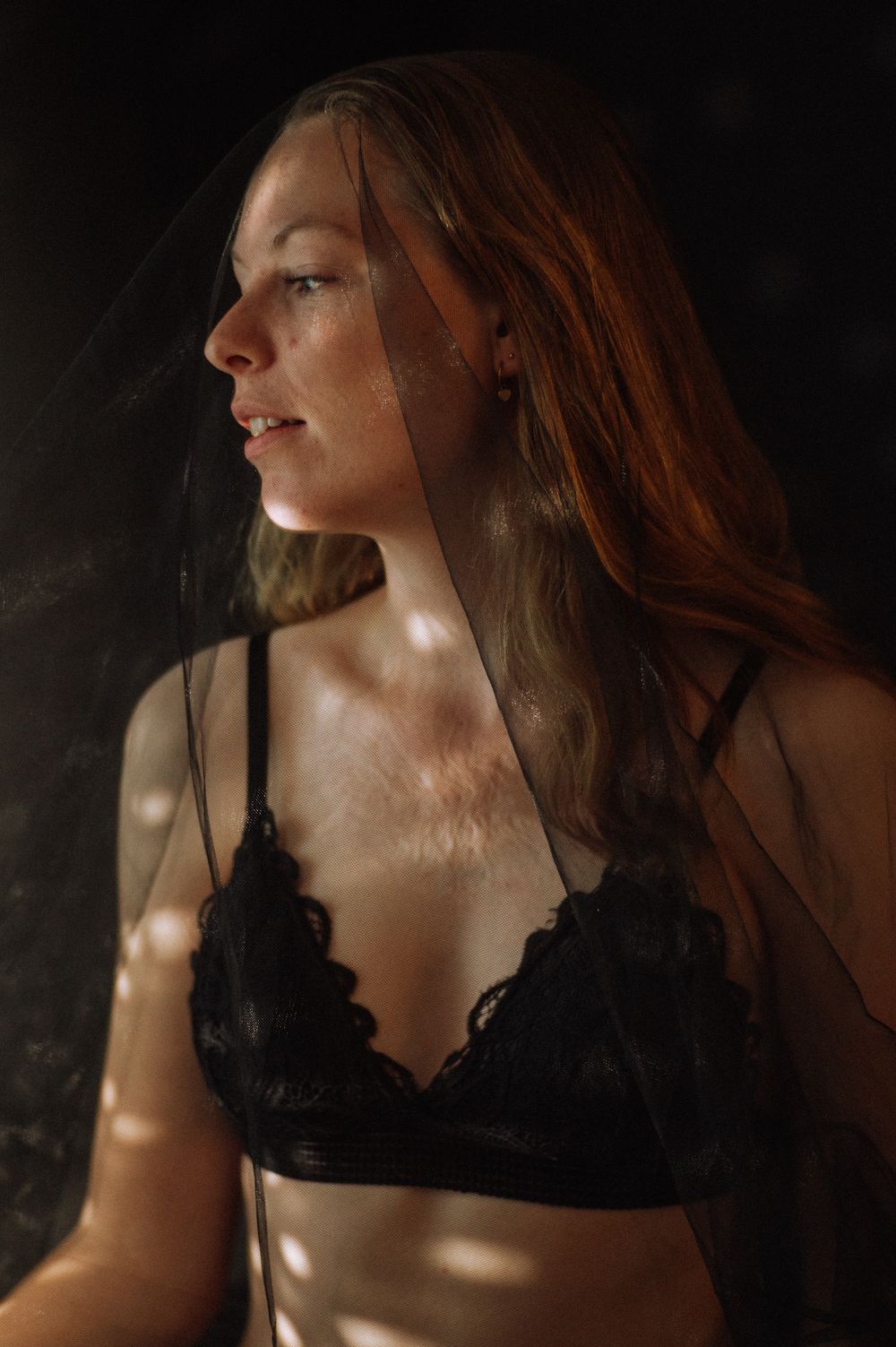
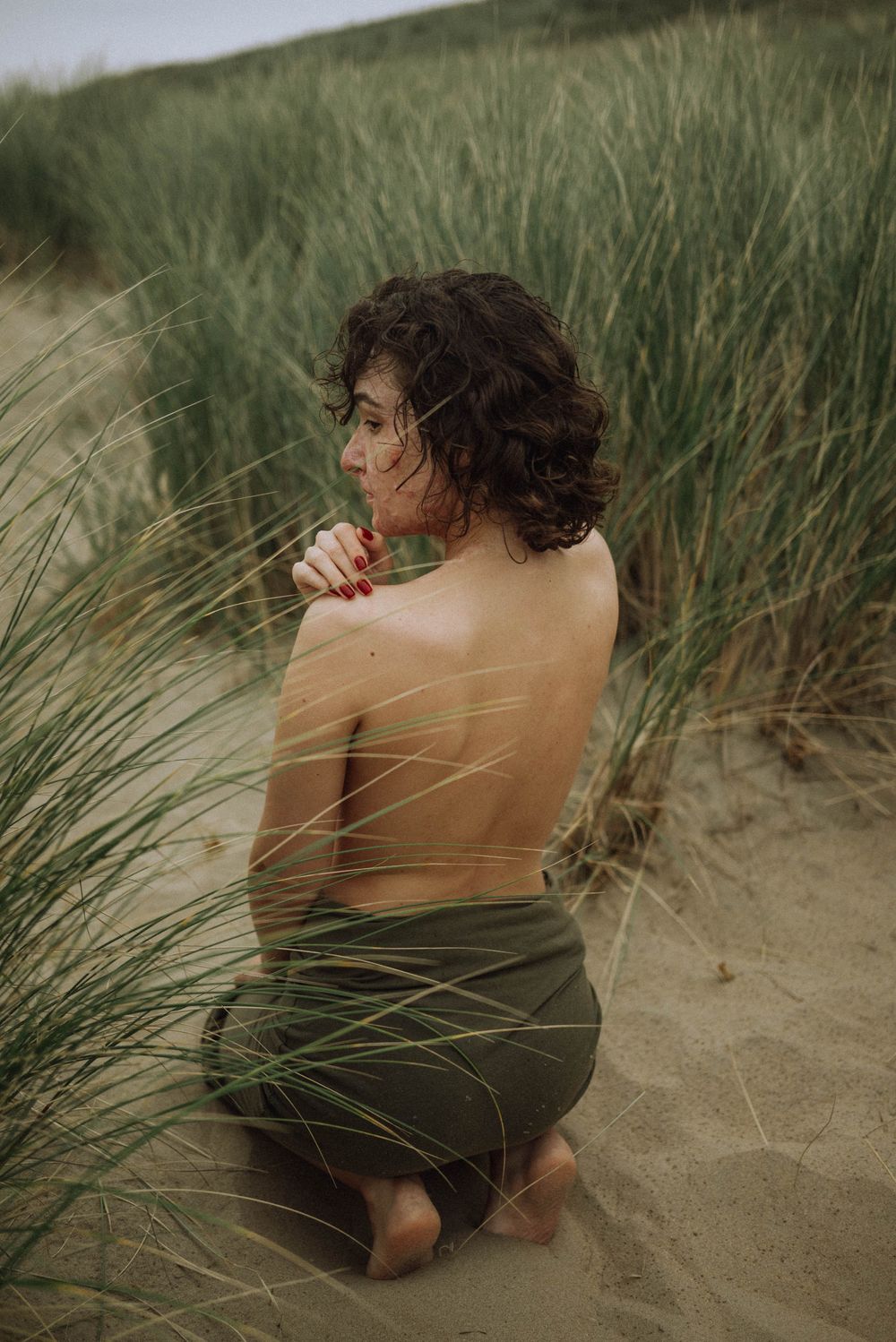
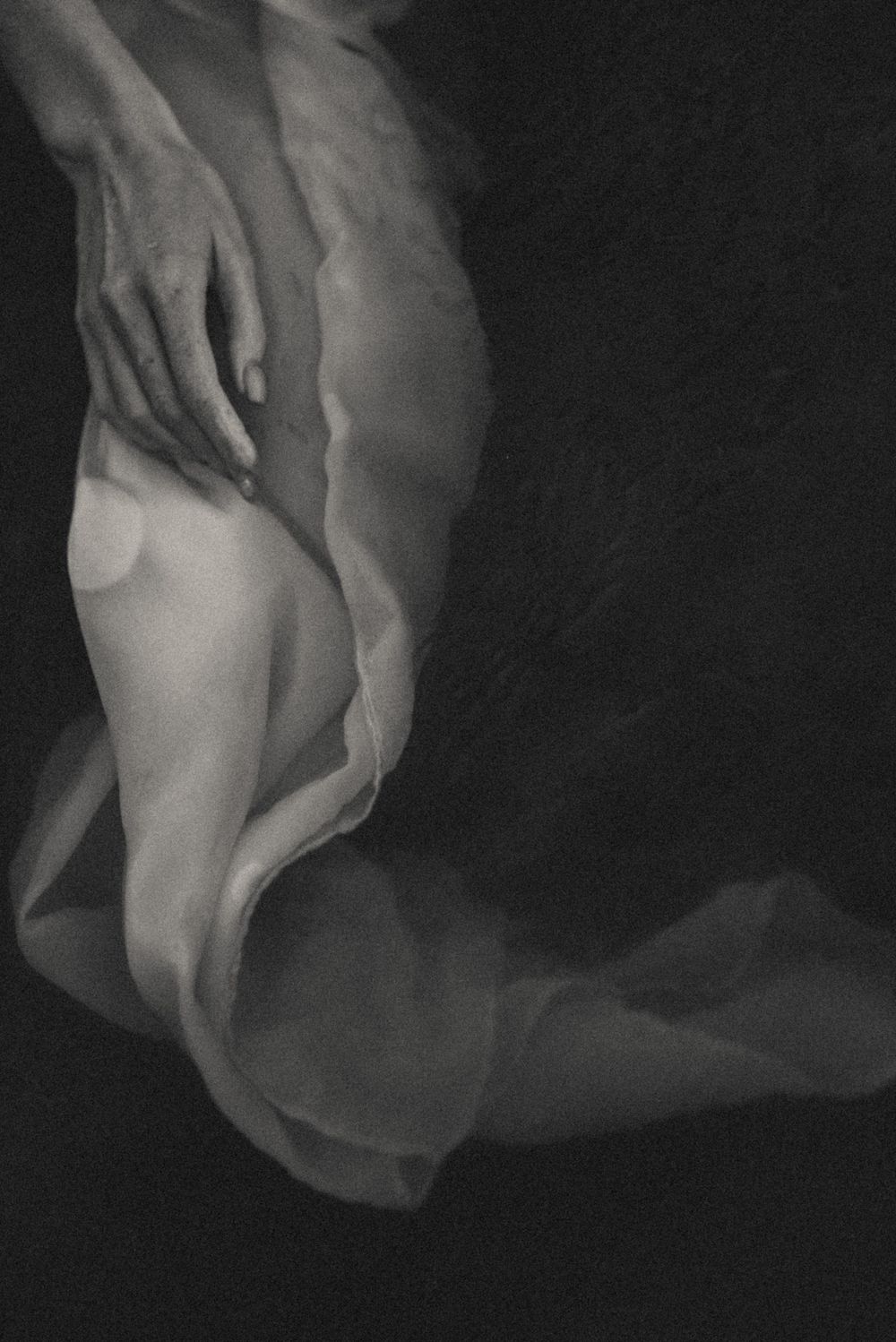
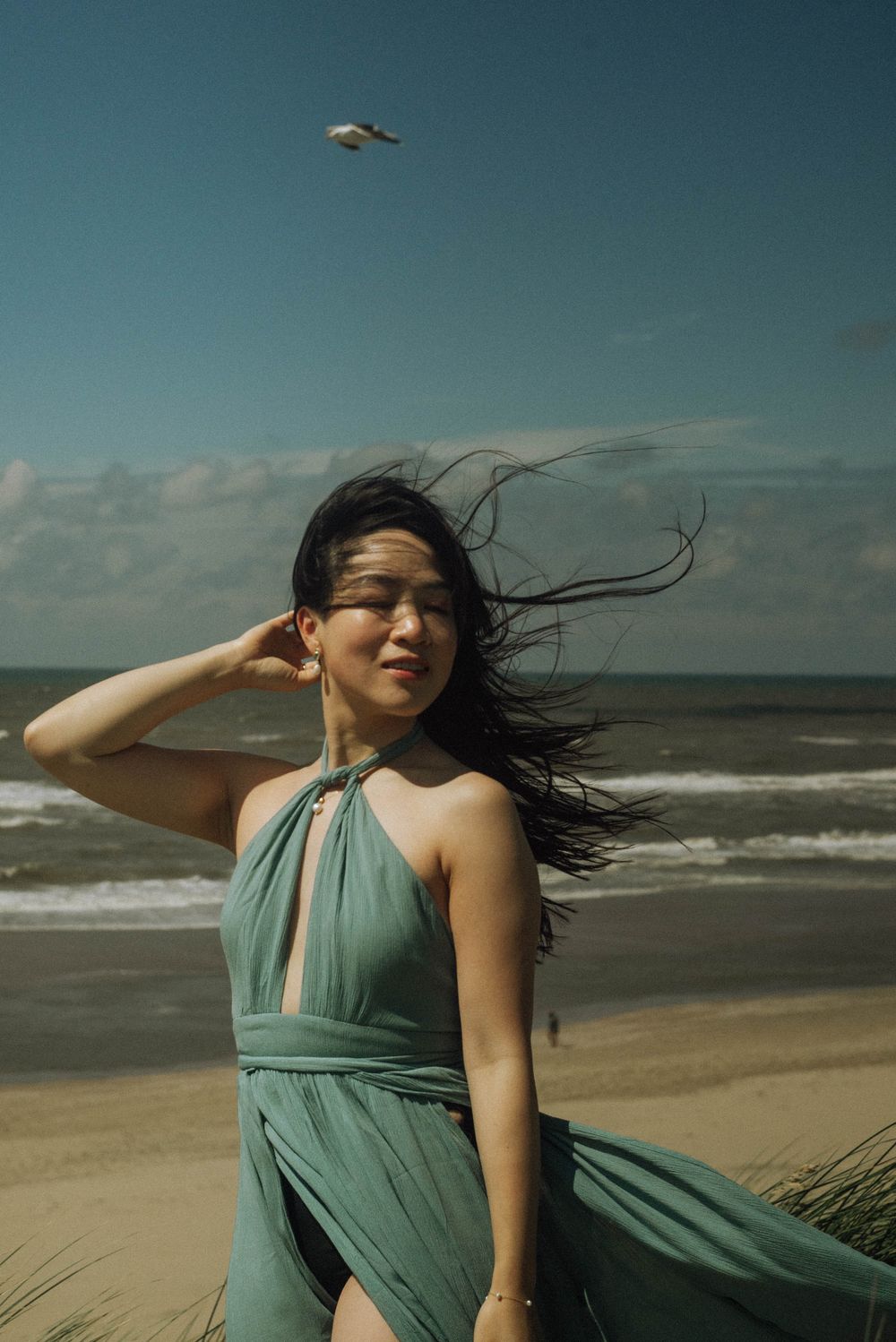
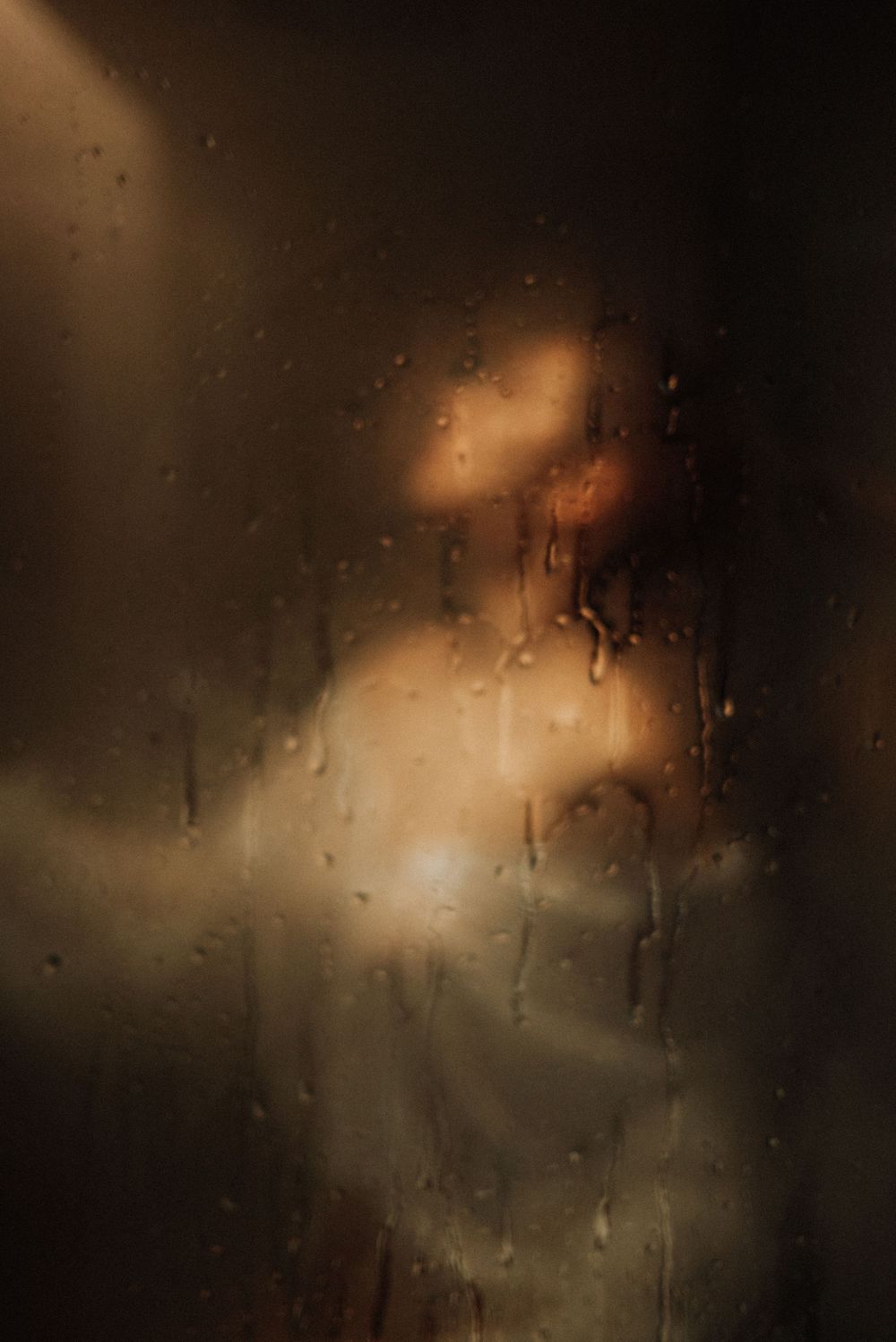
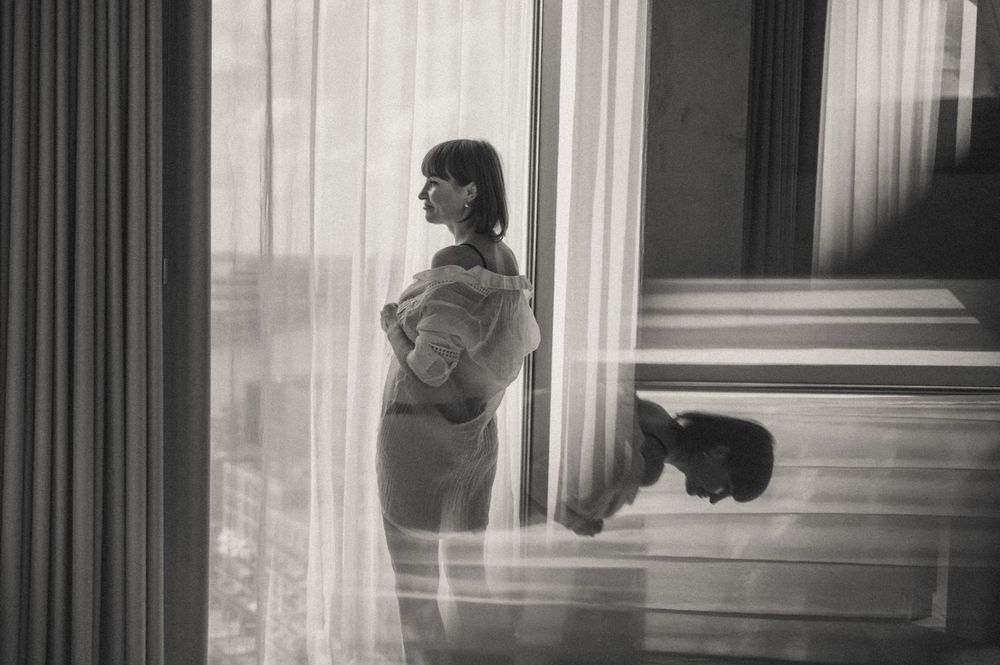
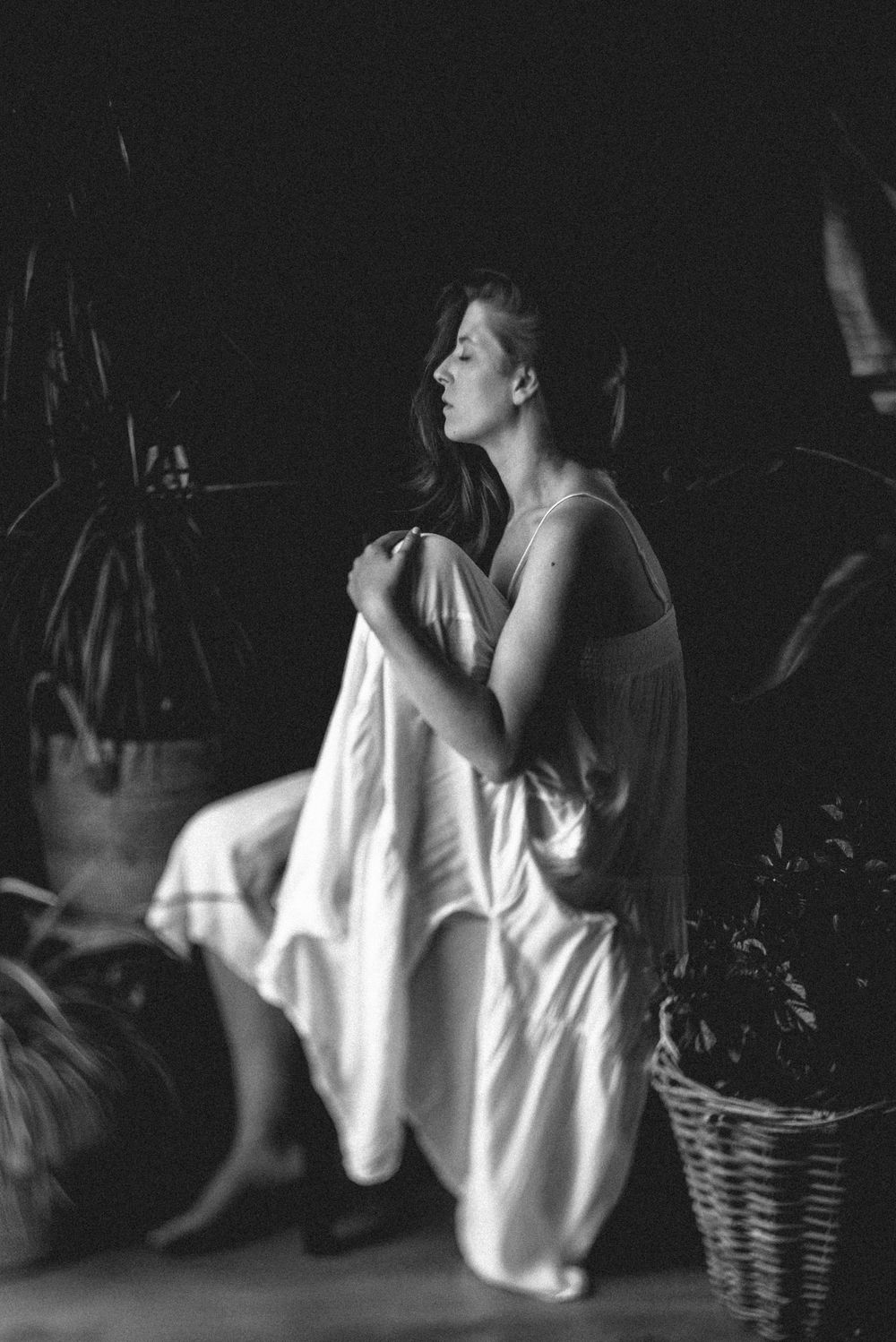
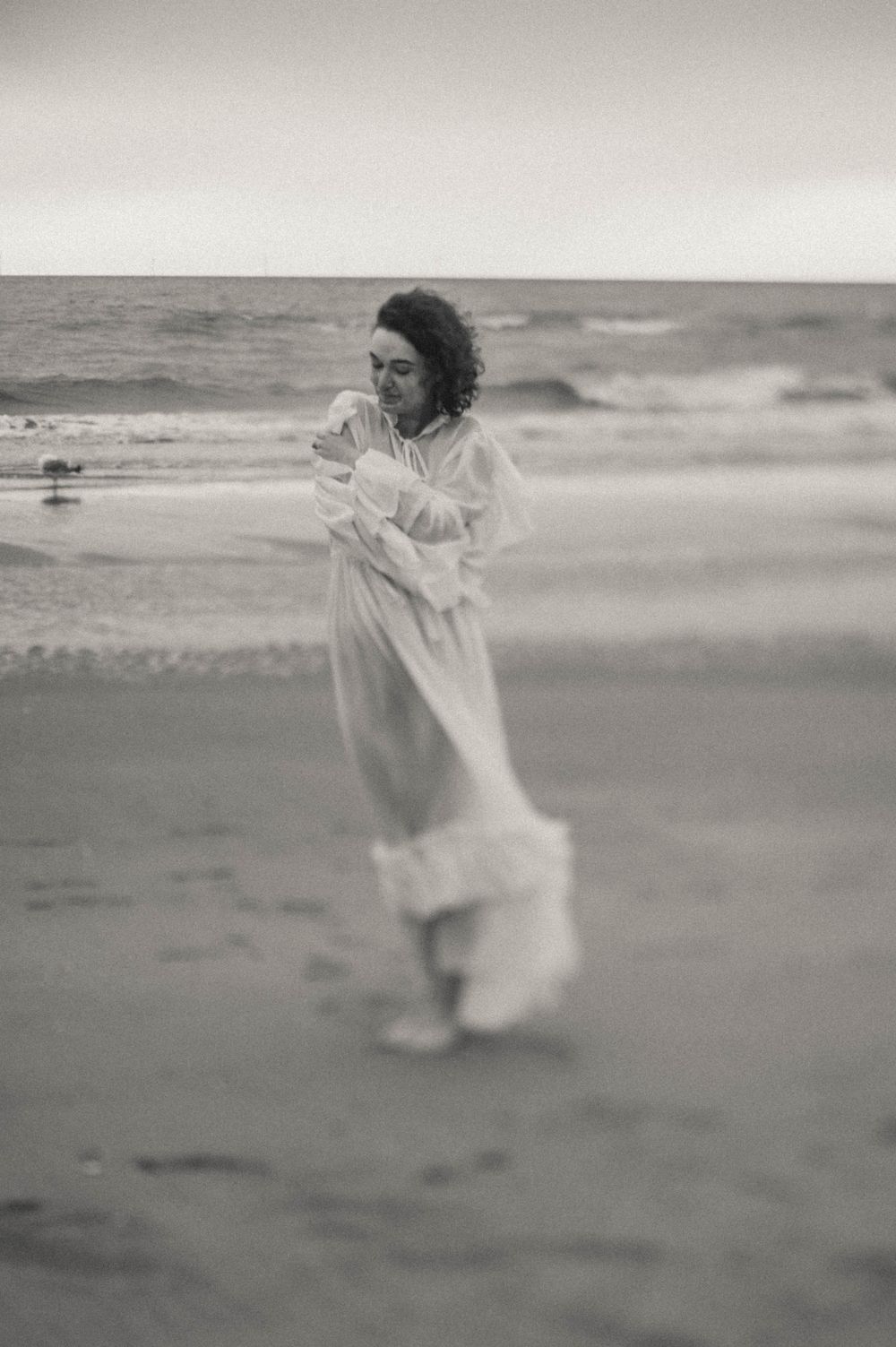
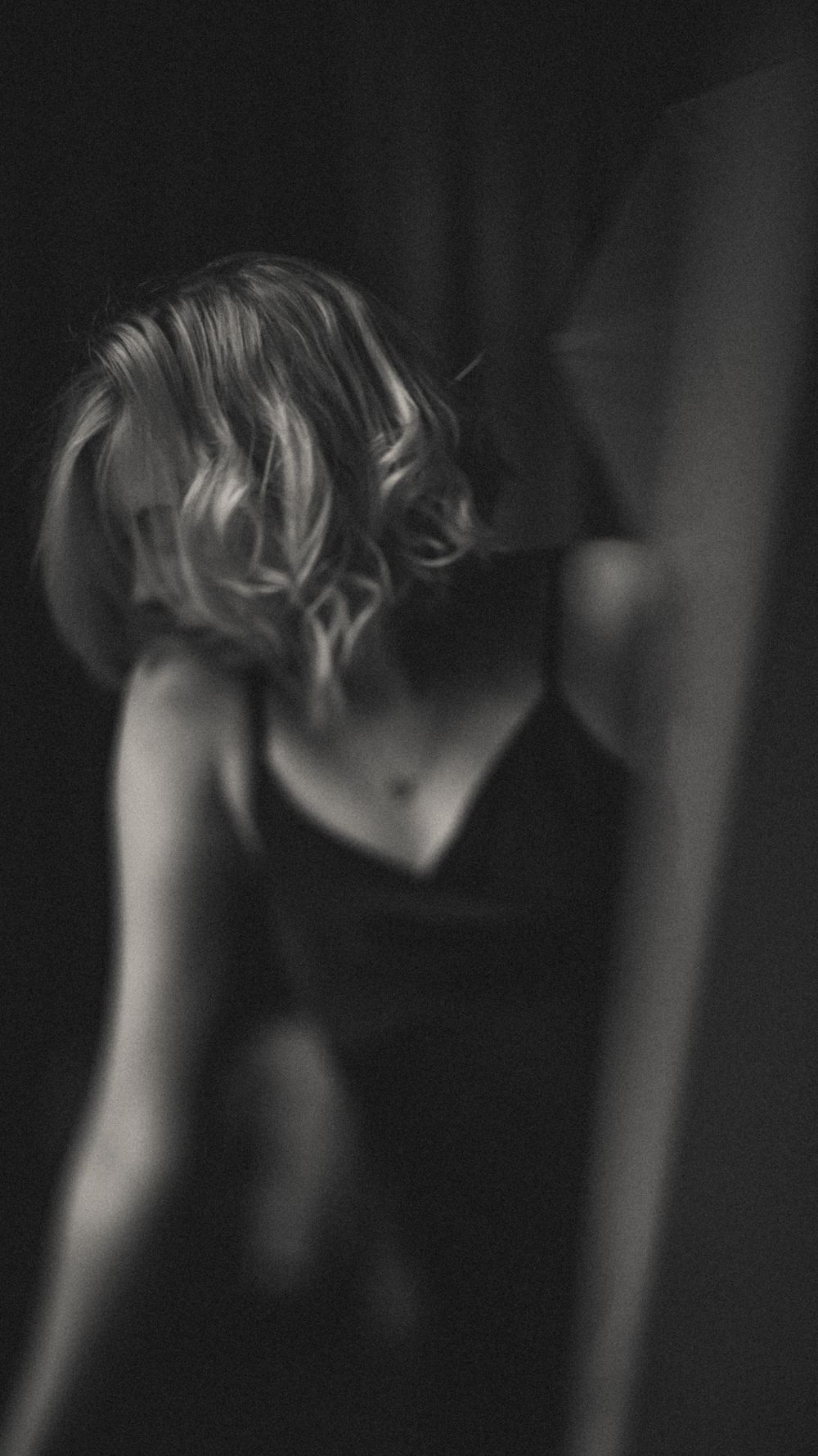
What an Introspective Session Actually Feels Like
An introspective session begins with conversation.
We talk about what feels sensitive. What feels unsafe. What you need in order to feel comfortable.
You control the pace. You choose what you wear. You can pause, stop, change direction, or sit in silence.
During the session, I focus on helping you:
- breathe more deeply
- soften tension in the body
- slow the nervous system
- feel grounded and present
I guide gently, but I never force. If something feels off, we adjust. If something feels good, we stay with it.
We are not chasing “the perfect shot.”
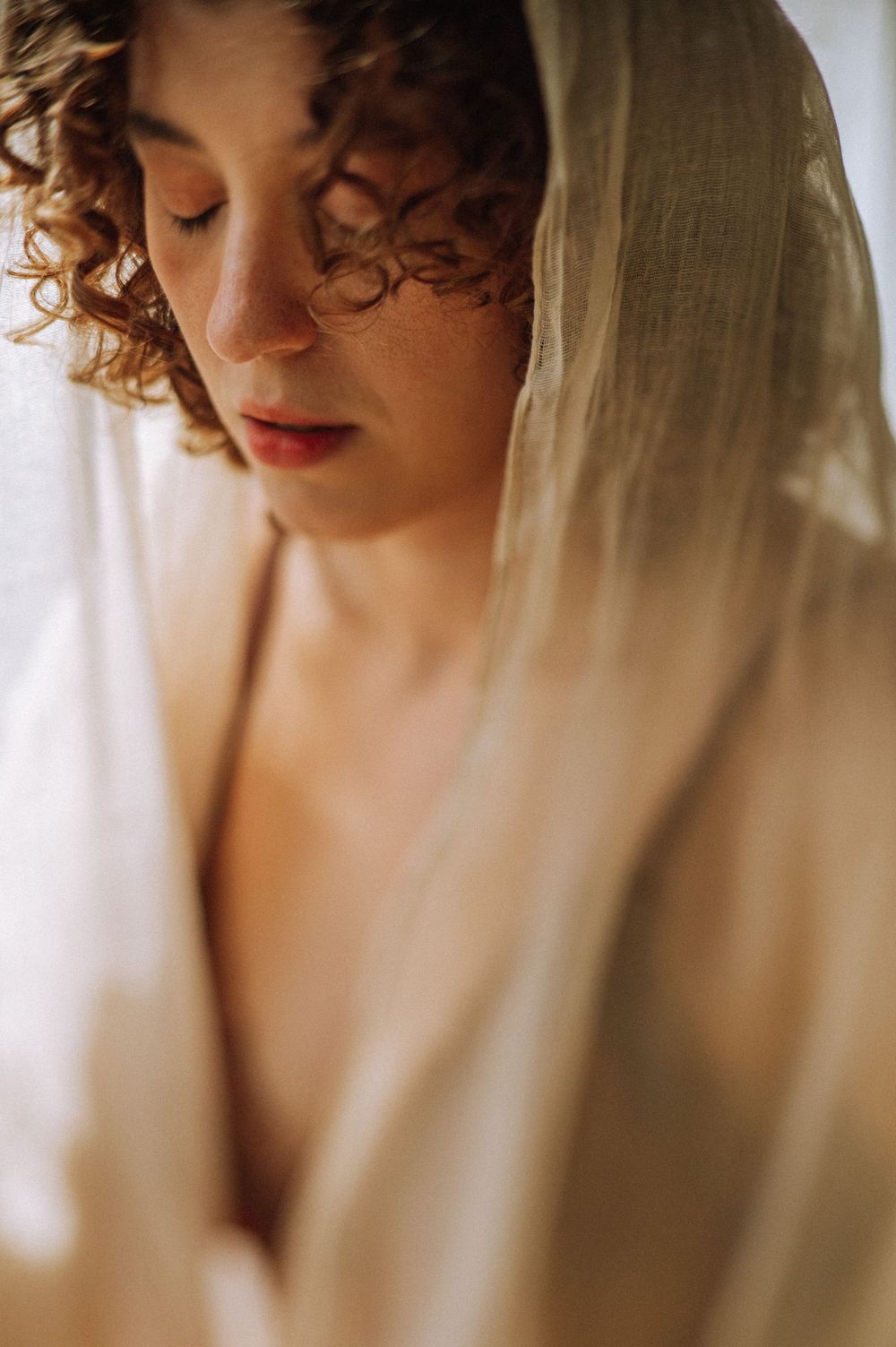
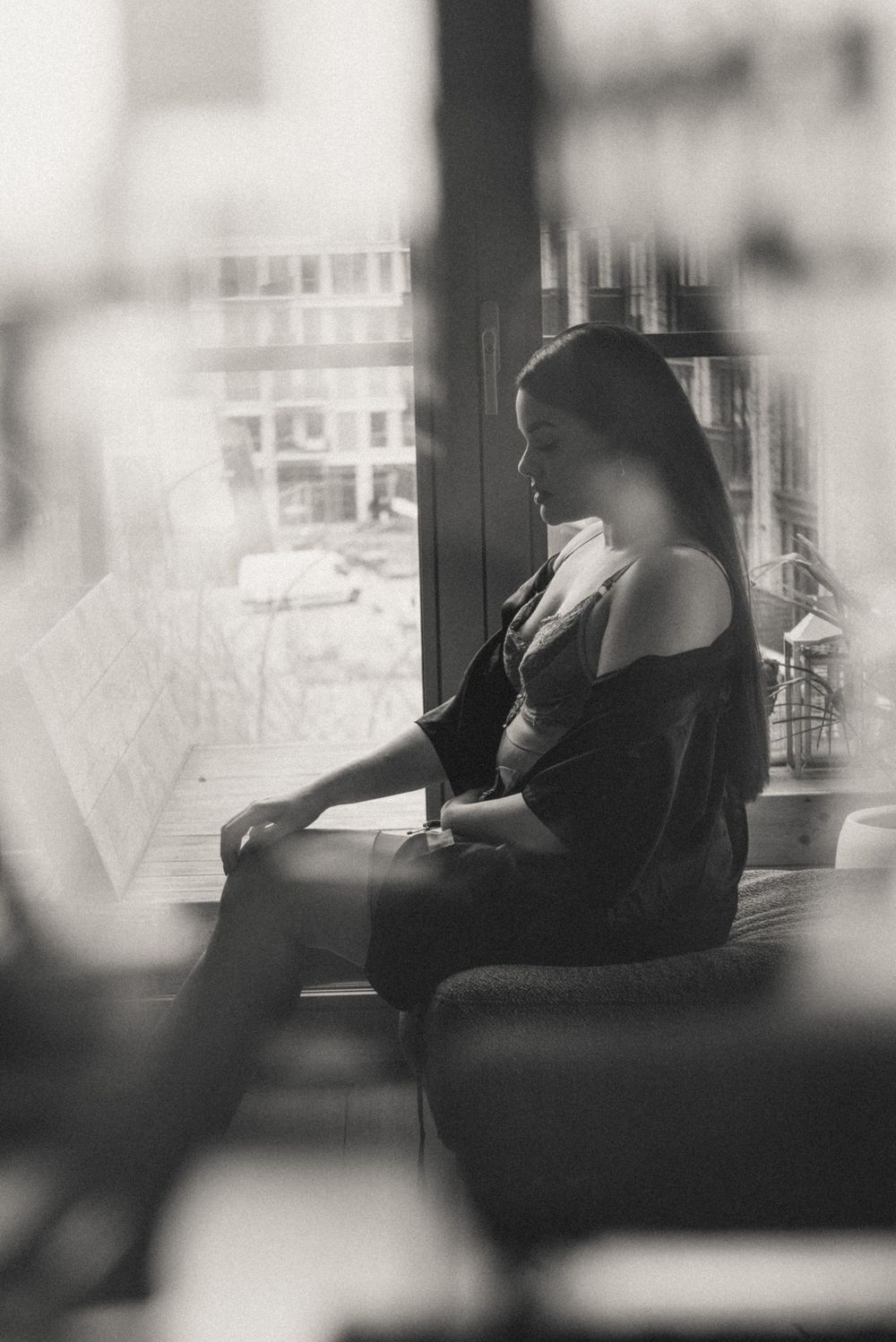
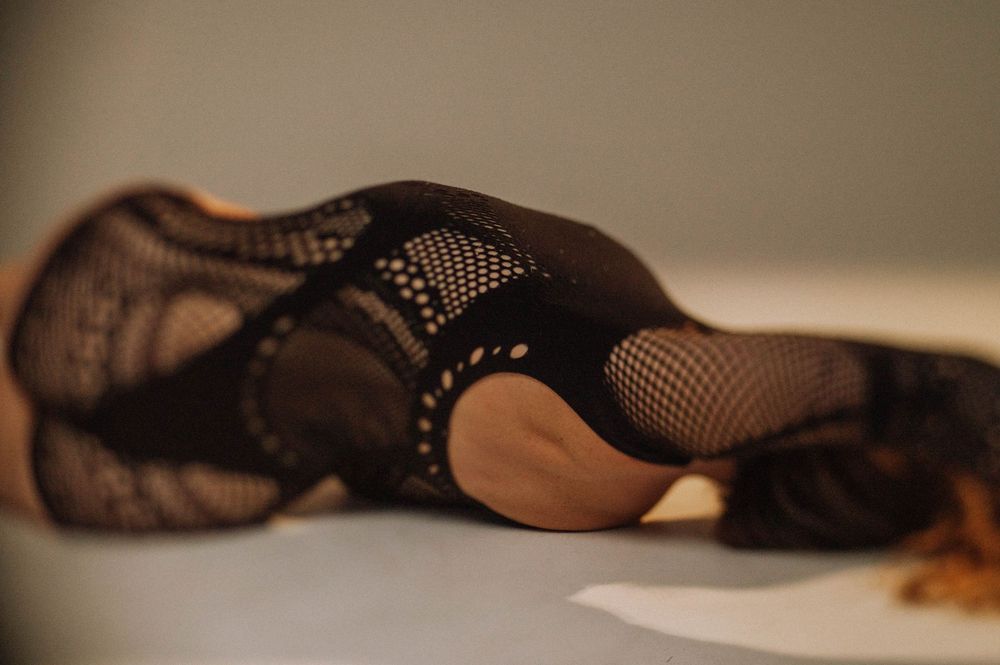
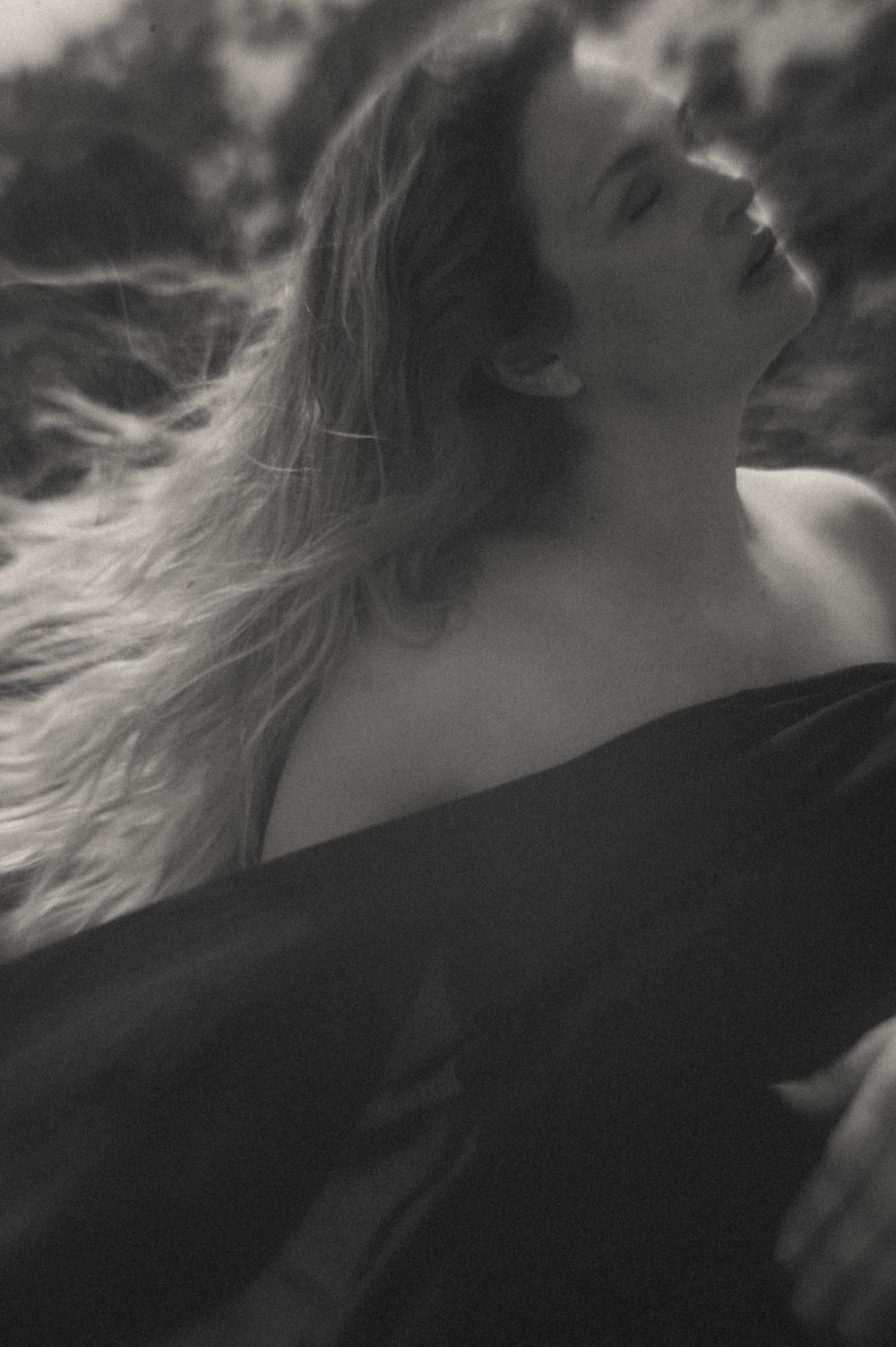
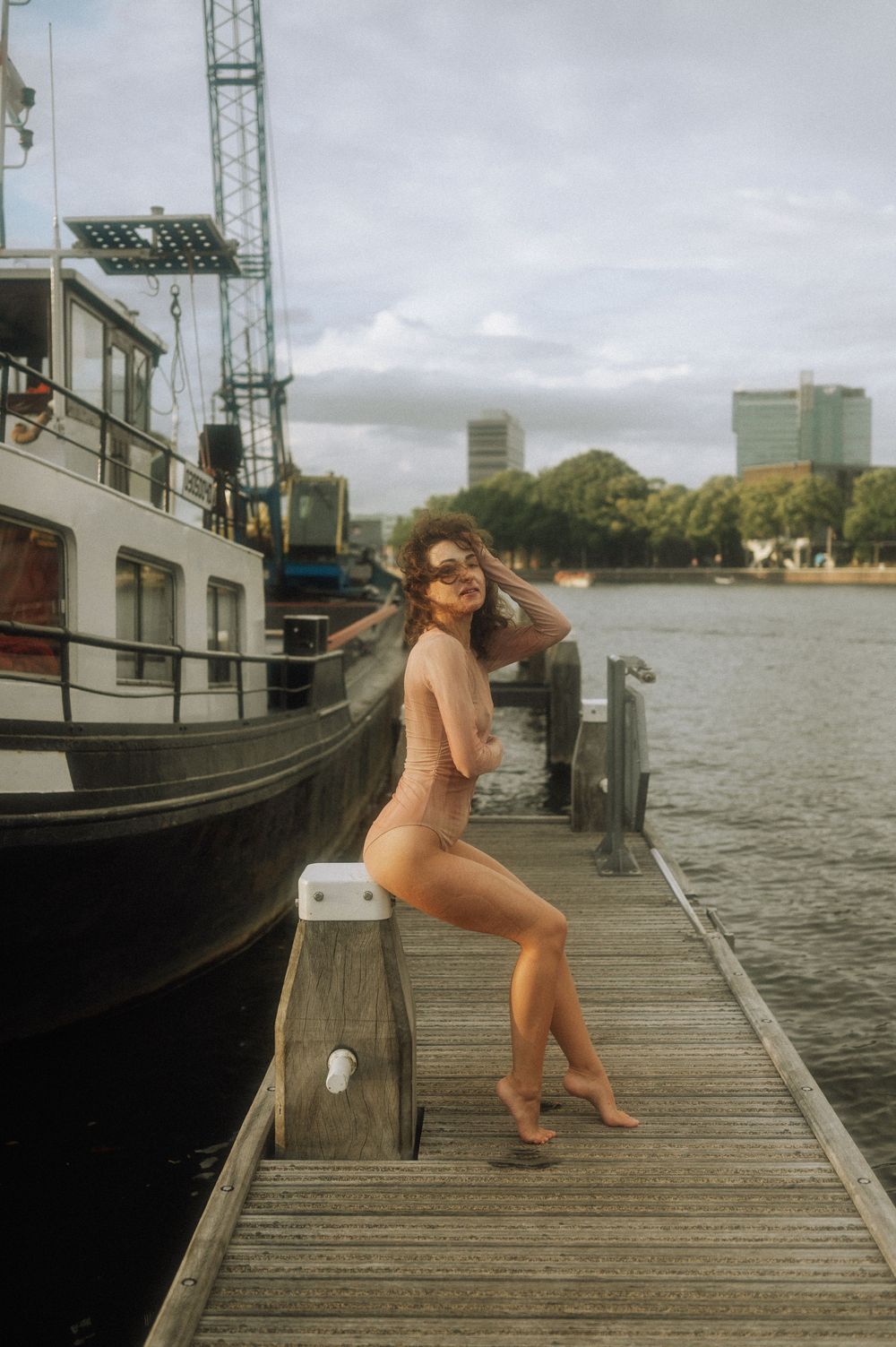
We are creating a space where your body feels safe enough to exist. The images become a reflection of that experience.
Who This Experience Is For
This kind of introspective photography may be right for you if:
- You feel disconnected from your body
- You’ve gone through divorce or burnout
- Your body has changed and you’re learning to accept it
- You want a slow, gentle, respectful experience
- You want to feel present rather than posed
It may not be for you if you’re looking for glamour, bold posing, or high-energy confidence imagery — and that’s completely okay.
This approach is about softness, consent, pacing, and real presence.
A Gentle Invitation
If you’re reading this and thinking, “I don’t want just a photoshoot. First of all I want to feel safer in my body again,” then an introspective boudoir session might support you. Not as therapy. Not as a dramatic transformation. But as a quiet, grounded experience where you can breathe, soften, and be seen without performance.
The photographs are not the only purpose — but they do matter.
Because when you feel safe, when your body relaxes, when you stop bracing and start breathing, something beautiful naturally appears. Not a version of you that is posed or performed — but the one that already exists beneath tension and self-criticism. You may see yourself softer. More present. More real. Sometimes even luminous in a quiet way. The images become a reflection of that state — a reminder that you can feel at home in yourself. And yes, they will be beautiful. Not because you tried to be — but because you allowed yourself to be.
If you still have practical questions or hesitations, you might find reassurance in this guide answering the most common boudoir questions.
And if something here resonated with you, you’re welcome to reach out through my contact page — we can simply talk and see whether this feels right for you.
Sometimes the most powerful shift isn’t changing yourself.
It’s allowing yourself to return. Just fill the for bellow.